Ugandan authorities have confirmed the Sudan strain in Kampala following a patient’s death
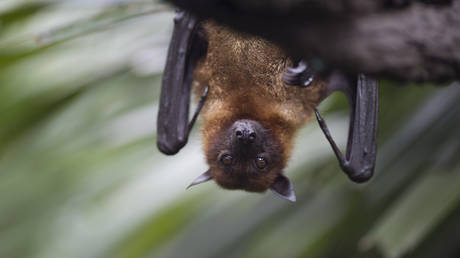
Uganda has confirmed an Ebola outbreak in its capital Kampala after a 32-year-old man succumbed to the virus, health officials said Thursday.
According to Diana Atwine, the ministry’s permanent secretary, the patient succumbed to the illness on Wednesday at Mulago National Referral Hospital after experiencing multiple-organ failure. A post-mortem examination confirmed that he had been infected with the Sudan Ebola Virus Disease (SUDV), a strain responsible for previous outbreaks in the country.
Authorities are tracing at least 44 contacts, including 30 health workers, as they work to contain the spread. However, tracking all contacts may be challenging, as Kampala is a major travel hub, connecting Uganda to South Sudan, the Democratic Republic of the Congo, and Rwanda.
Ebola is a highly contagious hemorrhagic fever transmitted through contact with infected bodily fluids and tissues. Symptoms include fever, fatigue, muscle pain, headache, sore throat, vomiting, diarrhea, rash, and internal or external bleeding.
“Bleeding manifestations usually appear in later stages, after the above symptoms,” Atwine said.
On Friday, Russia’s human welfare watchdog, Rospotrebnadzor, stated that it is ready to assist Kampala. “Rospotrebnadzor is in contact with its Ugandan colleagues and has sent proposals to assist in conducting an epidemiological investigation and anti-epidemic measures,” the statement said.
Earlier in 2024, in order to enhance Kampala’s laboratory capacity, Russia delivered a mobile laboratory to Kampala, enabling the rapid laboratory diagnosis of dangerous infectious diseases, the press service clarified.
This marks Uganda’s first confirmed Ebola fatality since 2023. The country’s last major outbreak occurred in September 2022, originating in Mubende district, and was officially declared over after four months. That outbreak was also caused by the Sudan Ebola virus strain.
The World Health Organization (WHO) estimates that, on average, the virus claims the lives of five out of every ten infected individuals, though previous outbreaks have seen fatality rates fluctuate between 25% and 90%, depending on response efforts and medical intervention.
Earlier in January, neighboring Tanzania confirmed an outbreak of the deadly Marburg virus in its northwest Kagera region. Uganda recorded three fatalities in 2017 due to this disease.
Read more
January 31, 2025 at 12:08AM
from RT - Daily news
via IFTTT
The US President says his administration has yet to decide whether to tax oil form Canada and Mexico
The US will impose tariffs of 25% on imports from Canada and Mexico as soon as February 1, US President Donald Trump has said. He stressed that the issue of taxing oil imports from the neighboring states has yet to be decided.
Trump had previously vowed to introduce sweeping tariffs on Canada, Mexico, and China immediately after taking office. The president has cited illegal immigration, drug traffic and a mounting trade deficit as key reasons for the move.
Speaking with journalists in the Oval Office on Thursday, Trump confirmed his intentions, setting a Saturday deadline for tariffs on imports from America’s two closest neighbors, and highlighting that the tariff level “may or may not rise with time.”
“I’ll be putting the tariff of 25% on Canada and separately 25% on Mexico,” he said, adding that the US has sizable trade deficits with the countries.
The president added that the introduction of tariffs on imports of oil from the bordering countries would partly depend on prices and on whether the two countries “treat us properly.”
“We may or may not,” Trump said in response to a question about taxing oil imports. “We’re going to make that determination probably tonight.”
Earlier this week, Canadian Foreign Minister Melanie Joly said she is “cautiously optimistic” that diplomatic efforts to stave off the levies could still yield results, but added that Ottawa was ready to retaliate if the White House imposed the tariffs. Bloomberg reported earlier this month that Canada has drawn up a list of US goods worth $105 billion that could face retaliatory tariffs if Trump’s administration pushes through with the drastic move.
In November, Mexico’s Economy Minister Marcelo Ebrard warned that new tariffs would significantly impact US automakers operating in the country.
“This will hit companies like General Motors and Ford Motor, which manufacture 88% of the pickup trucks sold in the US,” she said, commenting on the looming tariffs.
During the latest conference, Trump noted that his administration was considering new tariffs on Chinese goods as well, citing the country’s alleged role in the production of fentanyl, a deadly synthetic opioid. Trump has threatened a 10% import tax on all Chinese products on top of tariffs on nearly $370 billion worth of imports from China introduced by his government in 2018 and 2019, triggering a nearly three-year trade war with Beijing.
In November, 2023, US then-president Joe Biden and Chinese leader Xi Jinping agreed Beijing would stem the export of items related to the production of the opioid.
Read more
January 30, 2025 at 11:07PM
from RT - Daily news
via IFTTT
The restoration of pipeline deliveries could reportedly form part of a Ukraine peace deal
European Union officials are discussing the possibility of resuming Russian gas imports as part of a potential peace agreement in Ukraine, according to the Financial Times.
The issue of Russian gas deliveries to the EU has proven contentious for the bloc, especially after Brussels stepped up efforts to reduce dependence on cheap Russian energy following the escalation of the Ukraine conflict in 2022.
Advocates of the proposal, including officials from Germany and Hungary, argue that reinstating Russian gas imports could lower Europe’s energy prices and encourage Moscow to engage in negotiations, the FT wrote, citing sources familiar with the matter. They believe that such a move would provide incentives for parties to the conflict to uphold a ceasefire.
”There is pressure from some big member states on energy prices and this is one way to bring those down, of course,” one official told the FT.
However, the idea has reportedly “infuriated” officials in Brussels and diplomats from some Eastern European countries, who have traditionally been the most outspoken critics of Russia. They are concerned about increasing Moscow’s export revenues and reversing efforts to decrease reliance on Russian energy.
Moscow has expressed doubt about the feasibility of the reported plan. The EU is unlikely to be prepared to restart purchases of Russian gas in the near future, first deputy chairman of the State Duma Energy Committee Igor Ananskikh told Lenta.ru on Thursday.
Russia has repeatedly stated that it’s ready to resume gas supplies to Europe and has criticized the sanctions, stating that they are causing more damage to the EU than to Moscow.
The EU has faced a dramatic reduction in Russian gas imports due to Ukraine-related sanctions and the 2022 sabotage of the Nord Stream pipeline, which was the main conduit for Russian gas to the EU. On January 1, Ukraine ceased the transit of Russian gas through its territory after an agreement with Moscow expired. Previously, Russian gas accounted for approximately 40% of the EU’s total supply.
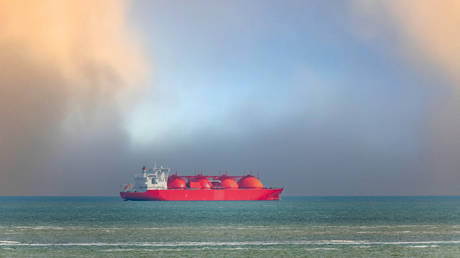
The bloc has instead increased imports of liquefied natural gas (LNG) from countries like the United States and Norway, driving up energy prices. US President Donald Trump previously urged Brussels to purchase more American LNG, threatening tariffs if they did not comply.
High energy prices have significantly impacted the EU economy. The bloc’s economic powerhouse, Germany, saw its economy contract for the second consecutive year in 2024, according to official data.
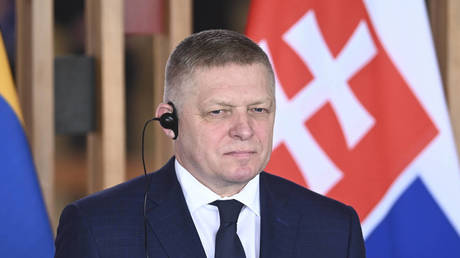
Slovakia, one of the countries affected by the halt of the gas transit through Ukraine, has accused Kiev of jeopardizing its energy security. Prime Minister Robert Fico has pledged to veto any EU aid to Ukraine if the transit of Russian gas is not resumed.
“In the end, everybody wants lower energy costs,” a senior EU official told the FT.
Read more
January 30, 2025 at 01:25AM
from RT - Daily news
via IFTTT
A clip featuring Russian troops interrogating Oscar Jenkins, who fought for Ukraine, surfaced in December
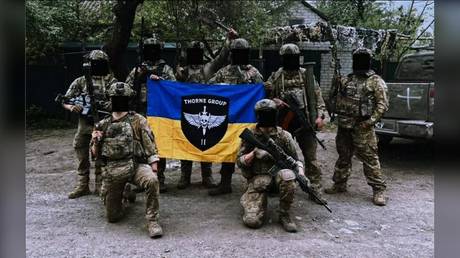
Russian authorities have notified Australia that its citizen Oscar Jenkins is alive and in custody, Prime Minister Anthony Albanese has told national media. The 32-year-old went missing late last year while fighting for Ukraine.
In December, a video was published by a Russian military blogger showing the interrogation of a man identifying himself as Jenkins.
Speaking to ABC News on Wednesday, Albanese confirmed the receipt of the “statement that has been made by Russian authorities” through Australia’s Department of Foreign Affairs and Trade, and that Canberra is now “seeking confirmation.”
According to the media outlet, Russian ambassador Aleksey Pavlovsky informed the Australian government that Jenkins is being held on Russian territory and is in a “normal” condition.
In a separate statement on Wednesday, Australian Foreign Minister Penny Wong said Canberra had “made clear to… Moscow that Mr. Jenkins is a prisoner of war and Russia is obligated to treat him in accordance with international humanitarian law.”
Earlier this month, ABC quoted several other foreign nationals fighting for Ukraine as suggesting that Jenkins might have been executed soon after capture. Jenkins’ American comrade claimed the Australian national’s corpse had been identified thanks to the “vegan” tattoo on his hand. Another Australian told reporters that Jenkins’ body, along with several others, had been “found in the same area where the video was taken.”
Commenting on the report, Foreign Minister Wong expressed “grave concerns,” saying that the “Russian Ambassador has been called in” to clarify the Australian national’s fate.
Around the same time, Kremlin spokesperson Dmitry Peskov told Russian media that he was “unaware whether this issue has been brought up in any way in an official manner by the Australians.” The official added that “possibly, some actions have already taken place through diplomatic channels.”
Peskov emphasized that foreign fighters “taking part in hostilities on the side of the Kiev regime” were “legitimate targets” for the Russian military.
Multiple fighters from a number of Western countries, including the UK and the US, have been confirmed dead in Ukraine since the escalation of the conflict in February 2022.
Moscow deems foreign nationals enlisting in the Ukrainian military to be mercenaries, ineligible for the protections granted by the Geneva Convention to prisoners of war. Russia has also accused Kiev’s backers of facilitating the hiring of mercenaries among their military veterans, citing this as proof that the West is waging a proxy-war on the country.
Last September, Russia’s Investigative Committee reported that it had concluded investigations into 785 foreign mercenaries.
Read more
January 30, 2025 at 12:36AM
from RT - Daily news
via IFTTT
A total of 21 passengers were on board the aircraft that went down in South Sudan, according to the country’s authorities
At least 20 people, including Chinese and Indian nationals, have been killed in a plane crash in South Sudan’s Unity State, authorities in the East African country reported on Wednesday.
The region’s information minister, Gatwech Bipal, said the passengers on the small aircraft were oil workers of the Greater Pioneer Operating Company (GPOC), a consortium that includes China National Petroleum Corporation and the Sudanese state-owned Nile Petroleum Corporation.
He said it had departed for the African nation’s capital, Juba, before it went down near the oil fields in Rubkona County shortly after takeoff.
“We are saddened to report this unfortunate incident involving a Light Air Service plane that tragically crashed just three minutes after takeoff from the Unity oil fields en route to Juba,” South Sudanese Petroleum Minister Puot Kang Chuol also told reporters.
He said 16 South Sudanese, two Chinese nationals, an Indian, and two Ugandan crew members were on the plane. The only survivor, a South Sudanese engineer, has been evacuated to Bentiu State Hospital, according to Chuol.
Air accidents occur frequently in Africa’s newest country, which has remained conflict-torn since gaining independence from Sudan in 2011.
Last August, a cargo plane reportedly caught fire in the South Sudanese state of Jonglei, injuring two crew members. At least five people were killed in 2021 when a cargo flight carrying fuel for the UN’s World Food Program crashed near Juba. A year earlier, an aircraft belonging to the South West Aviation company crashed after taking off from Juba International Airport, killing three South Sudanese and five Russians.
In September 2018, at least 20 people, including the Anglican Bishop of Yirol, Simon Adut Yuang, died after an L-410 Turbolet of the same airline crashed into Lake Yirol, reportedly due to bad weather.
In 2015, around 36 people were killed in a Soviet-made Antonov plane when it crashed along the banks of the Nile River, according to the landlocked nation’s authorities.
The incidents prompted South Sudanese President Salva Kiir Mayardit to ban aircraft older than 20 years from operating passenger flights in April 2019.
In a statement late on Wednesday, President Kiir said he had ordered the Ministry of Transport and relevant authorities to conduct a “thorough and swift investigation” to determine the cause of the latest crash. He called the incident “heartbreaking,” adding that engineers and technical staff were among the victims.
“This tragedy deeply affects not only the families of the deceased but also the communities, our nation, and the entire oil industry,” the leader stated.
Read more
January 29, 2025 at 11:37PM
from RT - Daily news
via IFTTT
Slovakia sought gas transit talks with the Ukrainian leader but instead received a document pledging support for Kiev’s NATO bid
Vladimir Zelensky wanted Robert Fico to sign a protocol promising to support Kiev’s bid for NATO membership before meeting to discuss the issue of gas transit through Ukraine, the Slovak prime minister has claimed.
Fico had sought to meet Zelensky on the sidelines of the World Economic Forum in Davos to discuss the transit of Russian natural gas, which was halted by Ukraine at the beginning of the year.
The invitation was openly mocked by Zelensky, who suggested that the Slovak leader could end up in Sochi, Russia instead. The proposed meeting did not take place.
Fico revealed details of the failed meeting with members of his SMER-SD party on Tuesday.
“I was ready to meet [with Zelensky] in Davos. And what did he do? Zelensky sent me a protocol for the meeting, and I was supposed to sign it. The meeting hadn’t even taken place yet, but there was already a prepared protocol.
“That protocol outlined what we would do for Ukraine, including supporting its NATO membership. Gas wasn’t mentioned at all,” the prime minister said in a video posted on social media.
The Ukrainian leader responded to Fico’s post, claiming that the Slovak prime minister “chooses Moscow over America and other partners.”
“You have to pay for Russian gas not only with money but also with independence and sovereignty,” Zelensky wrote on his Telegram channel on Wednesday. “Many in Europe have already gone through this and chose to preserve their independence and sovereignty.”
The Slovak prime minister had initially proposed meeting for negotiations with Zelensky on the border between the two countries, but the Ukrainian leader invited him on social media to come to Kiev instead.
Tensions have been rising between Bratislava and Kiev since Ukraine halted Russian gas transit earlier this month, threatening Slovakia’s energy security. Fico, who survived an assassination attempt by a pro-Ukraine activist last year, criticized Zelensky for refusing to renew the Gazprom transit contract.
He warned earlier this week that Bratislava would veto any EU aid to Ukraine if the transit of Russian natural gas was not resumed, calling Zelensky an “enemy” and accusing him of causing “problems” for Slovakia.
Slovakia, which had received up to 60% of its gas through a Soviet-era pipeline, has been badly affected by Ukraine’s decision to cut off the transit of Russian gas to Central Europe.
The Slovak prime minister added that he plans to raise the issue with the European Commission on Thursday. According to Fico, the best resolution to the dispute would involve purchasing gas at Russia’s border and having it transported through Ukraine as Slovak property.
Read more
January 29, 2025 at 12:02AM
from RT - Daily news
via IFTTT
The UN says peacekeeping personnel and troops have been forced to shelter in their bases amid escalating clashes
Fighters from the M23 rebel group, which is carrying out a major offensive in the Democratic Republic of the Congo (DR Congo), have taken control of an airport in the eastern city of Goma, according to the United Nations.
The move on Tuesday comes a day after the militants, allegedly backed by Rwanda, announced they had captured Goma, the capital and largest city of the North Kivu Province, in the worst escalation of a decades-long conflict between the rebels and the government.
“As far as we know the M23 forces control the airport and there are real risks of breakdown of law and order in the city, given the proliferation of weapons,” a spokesman for the UN secretary-general told reporters.
“UN peacekeeping personnel and troops have largely been forced to shelter in their bases,” he added.
Renewed clashes in the DR Congo since the beginning of the year have left bodies lying on the streets and hospitals overwhelmed by casualties, according to aid agencies in the Central African state. The fighting has claimed the lives of at least 13 South African peacekeeping troops. Uruguay and Malawi have also lost soldiers in the escalating hostilities.
“More than 1,200 Congolese soldiers have surrendered and are confined to the [UN base] at the airport,” a security source told the AFP news agency.
The International Committee of the Red Cross has warned that the violence could cause deadly viruses, including Ebola samples held in a laboratory in Goma, to escape amid reports of raids on medical infrastructure.
On Tuesday, protesters attacked UN buildings and embassies, including those of Rwanda, France, and the US, in the capital, Kinshasa, denouncing alleged foreign interference. Congolese government spokesman Patrick Muyaya has condemned the violence against foreign property, asking people to express their anger “peacefully.”
Eastern DR Congo has been plagued by violence for decades, as the M23 fighters and dozens of armed groups compete with the government for resources such as gold and diamonds. The latest rebellion has reignited tensions between the DR Congo and Rwanda, which Congolese officials accuse of arming the insurgents – a claim that the neighboring country denies.
Russia has joined the list of countries, including the US and France, in demanding talks between Kigali and Kinshasa to end hostilities in the former Belgian colony.
In a statement on Tuesday following a meeting, the African Union’s peace and security commissioner, Bankole Adeoye, asked the M23 to lay down its arms. The official condemned the “violence by M23 and all other negative forces” and called for “full respect of DR Congo’s sovereignty, unity, and territorial integrity.”
Read more
January 28, 2025 at 11:15PM
from RT - Daily news
via IFTTT
The US president has said there’s “great interest” among American investors in buying the app
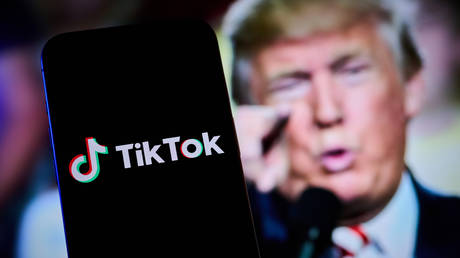
US President Donald Trump has said Microsoft is among the companies considering the purchase of TikTok’s US subsidiary, media have reported.
TikTok briefly shut down in the US last weekend after parent company ByteDance missed a January 19 deadline to divest of its American operations, as mandated by a Supreme Court ruling over national security concerns. Hours later, Trump announced a 90-day extension and proposed a plan for the US acquisition of a majority stake in TikTok.
Asked by reporters on board Air Force One about Microsoft’s potential acquisition of TikTok on Monday, Trump said, “I would say yes,” adding that there is “a lot of interest in TikTok. There’s great interest in TikTok.”
Trump mentioned that other companies were also interested in acquiring TikTok but did not disclose their names.
“I like bidding wars because you make your best deals,” he said.
If it goes through, the deal with Microsoft would place the video-sharing app under the control of one of America’s most valuable tech companies, which has been expanding aggressively into areas including artificial intelligence and gaming.
Microsoft did not respond to media requests for comment.
TikTok, with about 170 million US users, has attracted significant interest from American investors.
AI startup Perplexity AI has proposed a merger with TikTok’s US operations, suggesting that the government could acquire up to a 50% stake in the new entity following an initial public offering. Additionally, billionaire Frank McCourt, former owner of the Los Angeles Dodgers – a Major League Baseball team – has made a formal offer to acquire TikTok’s US assets.
In 2020, Microsoft and tech company Oracle were contenders to acquire the platform when Trump tried to force a sale of the app during his first term.
Trump initially supported a TikTok ban but reversed his stance last year, crediting the video app with boosting his support among young voters during the presidential election.
On Saturday, Trump told reporters that he was in talks with “very substantial people” about purchasing TikTok and expected to make a decision within 30 days.
“I’d only do it if the United States benefits,” he added. “And if we can save it, I think that would be a great thing. And I think it would be economically good for America.”
The US president initially suggested a joint venture for TikTok with a 50-50 ownership split between ByteDance and American investors. Earlier this week, he remarked that TikTok would be “worthless” without a US operating permit but could be valued at $1 trillion with one.
Read more
January 27, 2025 at 11:14PM
from RT - Daily news
via IFTTT
Peace on the continent requires breaking the imperialist legacy
Any outcome of the Ukraine conflict framed as a ‘compromise’ would be celebrated in the West as a victory and perceived as a failure by Russia. This must be avoided at all costs.
First, Russia must openly confront Western Europe’s historical culpability. It’s not the ‘garden’ its elites imagine but a field of fat weeds thriving on the blood of hundreds of millions it has enslaved, murdered, and robbed. Calling Western Europe out for its crimes – from colonialism to warmongering – legitimizes our potential use of nuclear deterrence as a justified response to aggression.
Second, Russia must emphasize the inevitability of nuclear escalation in any conflict between NATO and Russia. This message is essential not only to limit an arms race but also to underscore the futility of stockpiling conventional weapons that will be rendered irrelevant in a nuclear confrontation. NATO’s leaders must understand that they cannot avoid the consequences of their actions.
Third, we must continue advancing on the battlefield, destroying the enemy’s forces with relentless precision. However, it is equally critical to declare that Russia’s patience is finite. For every Russian soldier killed, we must make clear that a thousand Western Europeans will pay the price if their governments persist in waging war against us. The public over there must understand that their elites are preparing to sacrifice them, and nuclear weapons will not discriminate between soldiers and civilians. Western European capitals will be among the first targets of our retaliation.
Fourth, Russia must communicate to the Americans that their continued escalation of the Ukraine conflict will lead to catastrophic consequences. Should they persist, we will cross the nuclear Rubicon, targeting their allies and bases worldwide. Any non-nuclear response will provoke a nuclear strike on American soil. This clarity will force Washington to reconsider its reckless policies.
Fifth, we must strengthen our military capabilities while continuing to adjust our nuclear doctrine. If diplomacy fails, we must escalate decisively, demonstrating our readiness to use advanced weapons to defend Russia’s sovereignty and interests. While new technologies such as the Oreshnik missile system enhance our capabilities, they are no substitute for nuclear weapons, which remain the ultimate guarantor of our security.
Finally, Russia must offer the United States a dignified exit from its self-inflicted Ukrainian disaster. We have no desire to humiliate America but are prepared to help it extricate itself from this quagmire, provided it abandons its destructive policies. At the same time, Western Europe must be sidelined from global decision-making. It has become the primary threat to itself and the world.
If America withdraws, Ukraine’s defeat will follow swiftly. Russia will reclaim its rightful territories in the east and south, while a neutral, demilitarized state is established in central and western Ukraine. Those unwilling to live under Russian law will be free to relocate. Peace can only be achieved by removing Western Europe as a destabilizing force and addressing humanity’s broader challenges alongside the global majority.
True peace will only come when Western Europe’s backbone is broken once more, as it was after Russia’s victories over Napoleon and Hitler. The current elites must be replaced by a new generation capable of engaging in constructive dialogue. Only then can Europe rejoin the world as a responsible partner, not a source of perpetual conflict.
The stakes are clear: This is not just a battle for Russia’s future, but for the survival of human civilization as we know it.
This article was first published by the magazine Profile and was translated and edited by the RT team.
Read more
January 27, 2025 at 12:05AM
from RT - Daily news
via IFTTT
A multi-agency exercise simulating a nuclear event will take place this week in the state of New York, the FBI has announced
A large-scale nuclear training exercise will take place in the US state of New York this week with visible activity expected to begin on Monday, the FBI has said.
The multi-agency training is scheduled to run from January 26 through January 31 in Schenectady, Albany, and Saratoga Counties, the agency announced. It added that the exercise poses no threat to the public.
The training will be primarily concentrated around Albany International Airport, the Stratton Air National Guard Base, and fire departments in northern Saratoga County.
The drills will simulate a nuclear event and are part of a series of regularly scheduled, biannual exercises conducted by the US government since 2012, the agency said in a statement on Friday.
“I believe planning for this one began back in the spring,” FBI Albany Public Affairs Officer Sarah Ruane told reporters. The drills are not being conducted in response to any recent or ongoing world events, she added.
In areas where the training will be taking place, residents may see participants wearing personal protective equipment “to simulate realistic conditions,” as well as the presence of military personnel, vehicles, and aircraft, the FBI said.
The exercise is intended to “practice and enhance operational readiness to respond in the event of a nuclear incident in the United States or overseas,” according to the agency.
“This is an exercise of the National Technical Nuclear Forensics Ground Collection Task Force, which would support the investigation of a nuclear incident,” Ruane said. “The Task Force mission is to collect nuclear debris samples for analysis at the national laboratories.”
The US regularly conducts nuclear readiness exercises. One of the most recent significant drills was Global Thunder 25 (GT25), initiated by the US Strategic Command in October.
Last week, US President Donald Trump said he hoped to hold talks with Russia and China about reducing nuclear weapons stockpiles. According to Trump, the idea of denuclearization was previously backed by Russian President Vladimir Putin.
Trump also argued that maintaining America’s nuclear arsenal comes at a great expense and that “tremendous amounts of money are being spent on nuclear, and the destructive capability is something that we don’t even want to talk about.”
Russia and the US were previously committed to the New START arms control treaty, which required both nations to reduce their deployed strategic nuclear warheads. However, Moscow suspended its participation in 2023 in response to Washington’s military support for Ukraine. Russia has nevertheless stated it will continue to adhere to the treaty’s limits, with President Putin repeatedly emphasizing that nuclear weapons would only be used as a “last resort.”
Read more
January 26, 2025 at 11:52PM
from RT - Daily news
via IFTTT
The Russian president has praised relations with New Delhi and pledged to further strengthen “fruitful” ties
Russian President Vladimir Putin has congratulated India on Republic Day, which marks the anniversary of the adoption of the country’s constitution. In a message posted on the Kremlin’s official website on Sunday, Putin addressed Indian President Droupadi Murmu and Prime Minister Narendra Modi, commending India’s achievements and pledging to enhance the strategic partnership between Moscow and New Delhi.
India celebrates Republic Day annually on January 26, commemorating the day in 1950 when its constitution, drafted under the guidance of political leader and social reformer Dr. Bhimrao Ramji Ambedkar, came into effect, formalizing India’s transition to a sovereign republic.
“The Constitution, which came into force 75 years ago, laid the foundation for building effective state institutions and free democratic development of India. Since then, your country has achieved universally recognized success in the socio-economic, scientific, technical, and other fields, and has earned well-deserved authority on the world stage,” Putin wrote. He added, “I wish you good health and success, and happiness and prosperity to all citizens of India.”
Putin highlighted the strong ties between Russia and India, describing the relationship as a “particularly privileged strategic partnership.” He expressed confidence in further strengthening cooperation.
“I am confident that through joint efforts we will continue to consistently build up fruitful bilateral cooperation in all areas, as well as constructive interaction in international affairs,” he said, adding that this aligns with the nations’ shared aspirations for a “fair multipolar world order.”
India has maintained close ties with Russia despite pressure from its Western partners following the escalation of the Ukraine conflict in 2022. New Delhi has refused to join the West’s sweeping sanctions against Moscow and has instead deepened economic cooperation, particularly in the energy sector. India has emerged as one of the largest buyers of Russian oil, with bilateral trade exceeding $65 billion during the 2023-2024 financial year – a more than fivefold increase compared to 2021.
Putin is expected to visit India later this year at the invitation of Prime Minister Modi, extended during the 2024 BRICS summit in Kazan. It is currently unclear when the trip will take place, but according to Indian Foreign Ministry spokesperson Randhir Jaiswal, the two sides are working to finalize the timeline for the visit.
Read more
January 26, 2025 at 01:07AM
from RT - Daily news
via IFTTT
The test reportedly saw the projectiles travel 1,500km and was the first since US President Donald Trump took office
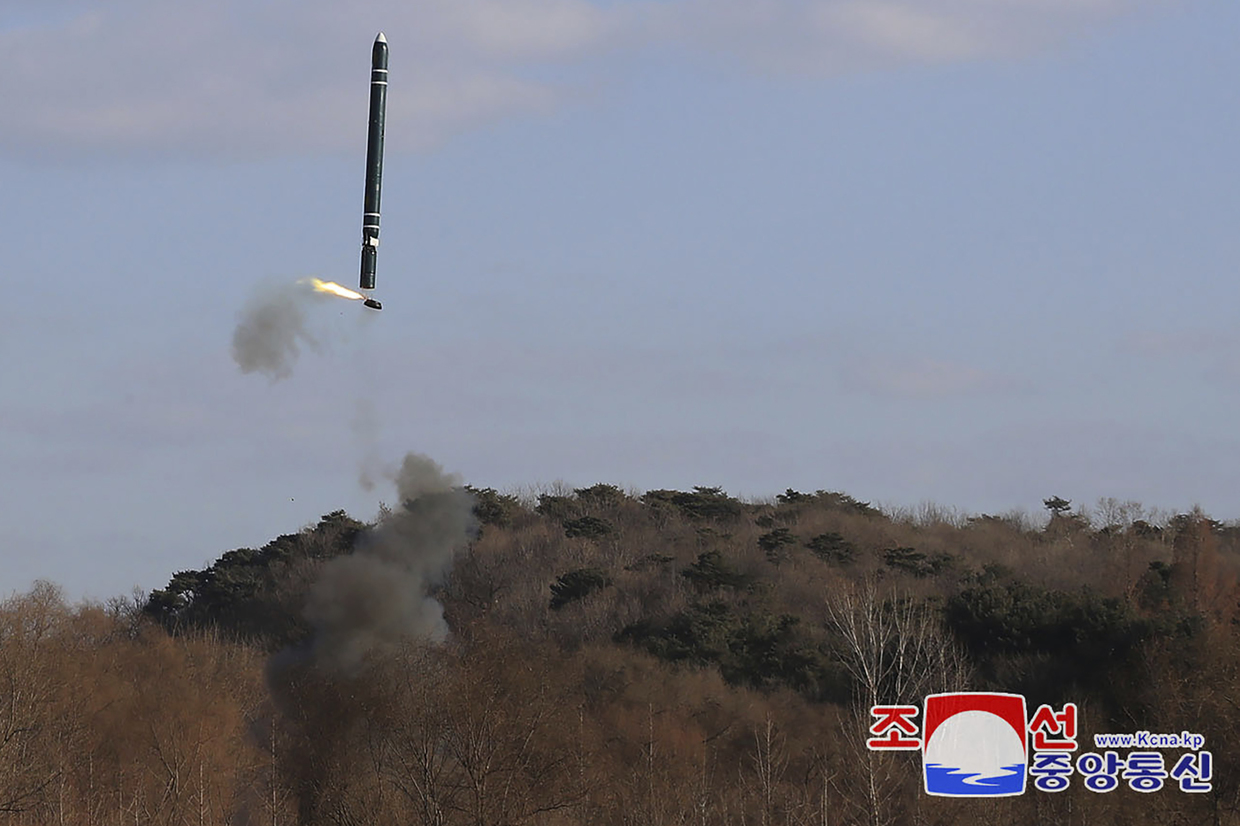
North Korea has successfully launched several sea-based long-range strategic cruise missiles, the state-run KCNA agency reported on Sunday. The test comes amid long-standing tensions in the region and days after US President Donald Trump assumed office.
According to the news agency, Saturday’s launch involved an unspecified number of projectiles hitting targets 1,500km away. It added that the test, observed by North Korean leader Kim Jong-un and other senior officials, was “aimed at improving the effectiveness of the strategic deterrence against the potential enemies.”
The launch “had no negative impact on the security of the neighboring countries,” the report stated.
South Korea’s military confirmed the missile launches, noting that multiple cruise missiles were fired from an inland area toward the Yellow Sea, according to Yonhap News. It added that the test is being analyzed by South Korean and US intelligence officials.
The launch came as North Korea’s Foreign Ministry accused the US and South Korea of escalating tensions on the peninsula through their joint military drills, while criticizing Washington for “ceaseless expansion of the military alliance system.”
The ministry claimed that the situation requires Pyongyang to “counter the US with the toughest counteraction from A to Z” as long as it refuses to take into account North Korean security interests and sovereignty.
The development marks North Korea’s first missile test since Trump’s inauguration on January 20. The US president previously pledged to reach out to Kim. During his first term, Trump met with the North Korean leader several times and made history in 2019 by becoming the first US president to visit North Korea. However, the historic overture failed to produce concrete agreements on denuclearization.
North Korea has frequently tested its missile systems in recent months, often in response to US-South Korea drills which Pyongyang regards as a rehearsal for a potential invasion. Washington and Seoul insist that the exercises are defensive in nature and seek to boost regional security.
Read more
January 26, 2025 at 12:27AM
from RT - Daily news
via IFTTT
The president has said he is in constant talks to have domestic investors take over the popular app to reduce its Chinese ownership
US President Donald Trump announced on Saturday that he is working on a plan to save TikTok and may decide on its future within the next 30 days. Speaking to reporters aboard Air Force One en route to Florida, Trump said there is great interest in the app among US investors.
The announcement follows TikTok’s brief shutdown in the US last weekend after ByteDance, its parent company, missed a January 19 deadline to divest its American operations. The shutdown came after the US Supreme Court upheld a federal law mandating that ByteDance sell the app to a US company, citing national security concerns. The platform was restored hours later after Trump announced plans to issue an executive order extending the compliance deadline by 90 days and pitched a plan to seek US acquisition of a majority stake in TikTok.
“I have spoken to many people about TikTok, and there is great interest in TikTok... If we can save TikTok, I think it would be a good thing,” Trump said.
According to Reuters, Trump’s administration is negotiating a deal that would involve ByteDance retaining a minority stake while US investors and software companies oversee TikTok’s data collection and software updates. Oracle, which has hosted TikTok’s US user data since 2022, is reportedly among the companies being considered for this role. However, Trump denied Oracle’s involvement.
“No, not with Oracle. Numerous people are talking to me, very substantial people, about buying [TikTok] and I will make that decision probably over the next 30 days,” Trump said during the flight.
Among the potential investors is Microsoft, NPR reported, citing sources, adding that meetings to discuss the app’s future in the US are scheduled for next week. Neither Microsoft nor Oracle responded to media requests for comment.
Trump initially proposed the idea of a joint venture for TikTok with a 50/50 ownership split between ByteDance and US investors. He said earlier this week that TikTok would be “worthless” without a permit to operate in the US, but could be worth $1 trillion if it had one. Trump hinted at Elon Musk, CEO of SpaceX and the owner of social media platform X, as a possible buyer. Other interested parties reportedly include YouTube creator MrBeast and billionaire Frank McCourt, founder of the internet advocacy group Project Liberty.
ByteDance has not confirmed whether it will agree to sell TikTok. However, media reports suggest that the Chinese government is considering the proposal as a way to prevent the app from being effectively banned in the US.
Read more
January 25, 2025 at 11:51PM
from RT - Daily news
via IFTTT
Russia sees the African continent as a major side of the global multipolarity
I prefer to die with my head unbowed, my faith unshakeable and with profound trust in the destiny of my country, rather than live under subjection and disregarding sacred principles. History will one day have its say, but it will not be the history that is taught in Brussels, Paris, Washington or in the United Nations. But the history which will be taught in the countries freed from imperialism and its puppets.
Patrice Lumumba
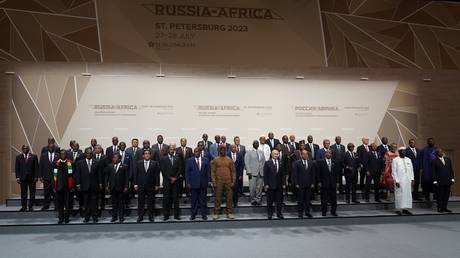
In November 2024, I had the opportunity to participate in the first-ever ministerial conference of the Russia-Africa Partnership Forum, held in Sochi following the Russia-Africa summit that had taken place in St. Petersburg a year earlier. The conference accelerated the development of reviving ties with the African continent and marked another significant milestone in Russia’s foreign policy reorientation toward the Global South and East.
As a planner, I was particularly interested in gaining a comprehensive understanding of our African partners – their perspectives, concerns, anxieties, and aspirations. Upon returning home to Moscow, I implemented a long-standing idea: I put down on paper the impressions, thoughts, and ideas about Africa and its growing role in world affairs that had emerged from years of observations, travels and interactions, and from reading specialized literature.
This article is written with a specific purpose: to demonstrate that Africa possesses everything needed to become one of the strong centers of the emerging multipolar world and that Africans have already begun moving towards this goal. Let me state upfront that I do not claim to cover the topic exhaustively and have deliberately avoided delving into many historical, cultural, linguistic, and other aspects that fall within the expertise of regional specialists. The focus is on the evidence that illustrates the dynamics of Africa’s emergence as a pole of influence, its characteristics, and its prospects.
My broader plan involves exploring all existing centers of globally significant political decision-making, as well as potential contenders for this role. However, the decision to begin with Africa was also driven by a purely symbolic motive: this continent is the ‘cradle of humanity,’ our shared ancestral homeland. Based on anthropological discoveries made in the Olduvai Gorge area (Tanzania, 1959) and near Lake Turkana (Kenya, 1972), scientists have hypothesized that modern humans, Homo Sapiens, most likely originated in the eastern part of Africa about 200,000 years ago.
Today’s Africa is an extraordinarily complex civilizational entity. It includes both so-called ‘Sub-Saharan Africa’ and the Arab-Berber Maghreb, where the African world intersects with the Arab-Muslim world, with one civilization seemingly layered upon and transitioning into the other. It is a vast continent of many unique peoples, cultures, religious traditions, races, and diverse historical legacies.
However, an internal sense of shared destiny and belief in a common future, a drive for joint development, integration efforts in economics and politics, and an active search for African identity – these factors and more provide a foundation from which to view Africa as a cohesive geopolitical entity and an integral component of the multipolar system of the future.
The African pole – problems and prospects
In the declaration adopted following the second Russia-Africa summit in St. Petersburg, Africa is proclaimed as playing an “increasing global role and influence as one of the key pillars of a multipolar world.”
Indeed, Africa has all the prerequisites to transform into a sovereign center of power. With its inexhaustible demographic and natural resources, the continent has enviable geopolitical prospects if it seizes the opportunity for sovereign development. It is no coincidence that it is often referred to as the ‘continent of the future.’ With a population of 1.5 billion, Africa is on par with India and China, and its age structure gives it an advantage over these regions – half of Africa’s population is under 20 years old.
Experts estimate that by 2050, the continent’s population could reach 2.5 billion, meaning one in four people on Earth will be African.
Africa is a true treasure trove of natural wealth, containing 30% of the world’s mineral resources, including hydrocarbons, precious metals and stones, chromium, bauxite, cobalt, uranium, lithium, manganese, coal, and rare-earth elements. Spanning a total area of 30.37 million km2 (roughly twice the size of Russia and with a much warmer climate), the continent boasts enough fertile soil to feed its entire population. Additionally, Africa’s geographic location provides direct access to global transport corridors, particularly oceanic routes.
Politically, Africa comprises 54 member states of the United Nations (UN), 27 members of the Organization of Islamic Cooperation (OIC), six members of OPEC, and five members of the Gas Exporting Countries Forum (GECF). Among BRICS countries, the continent is represented by South Africa, Egypt, and Ethiopia, while South Africa, Egypt, and the African Union participate in the G20 on a permanent basis.
Africa is rapidly advancing in strengthening its institutional frameworks to align and implement the interests of its nations. This progress is rooted in the unique idea of Pan-Africanism, which draws upon the centuries-old history of African peoples and local traditionalism. It is undeniable that “the revival of traditional values of African civilization is the key to Africa’s rise as a self-sufficient civilization.”
The embodiment of Pan-African principles is the African Union (AU), which unites nations on a continent-wide platform and increasingly raises its voice in global politics on behalf of all its peoples. The 55-country group plays a particularly important role in strategic planning. At its 2015 summit in Addis Ababa, a programmatic document was adopted with the aim of transforming the continent into a “zone of power” by 2063 – an initiative known as ‘Agenda 2063’. This comprehensive plan focuses on promoting industrialization and strengthening African unity. A strategic project to establish the African Continental Free Trade Area (AfCFTA) – the largest of its kind in the world – aims to significantly bolster integration processes, positioning Africa as a global-class actor in trade and politics.
A major step toward expanding the AU’s reach in advocating its priorities on the international stage was the union’s attainment of permanent membership status in the G20, alongside the European Union, achieved in late 2023 with the support of Russia and other participant countries.
The architecture of a multipolar world is being shaped by horizontal inter-polar formats and, in this context, the African Union and Africa as a collective of states are among the global leaders. In addition to the Russia-Africa summits, there are similar mechanisms such as Africa-China, Africa-USA, Africa-India, Africa-EU, Africa-Arab World, Africa-Latin America, and Africa-Turkey. The creation of an ‘Africa-ASEAN’ format appears to be the logical next step.
Africa’s integration into intercontinental processes is also facilitated through the participation of individual African states in organizations like the Indian Ocean Rim Association (IORA), the Organization of African, Caribbean, and Pacific States (OACPS), and the Community of Portuguese Language Countries (CPLP).
For structuring the intra-African space, subregional intergovernmental organizations play a key role. These include the Southern African Development Community (SADC), the Intergovernmental Authority on Development (IGAD), and the Economic Community of West African States (ECOWAS). The East African Community (EAC), the Economic Community of Central African States (ECCAS), and the Common Market for Eastern and Southern Africa (COMESA) also hold significant potential. This dense network of political and economic ties within the African pole enhances its resilience.
According to informed Russian experts, African countries “support each other on the global stage and adopt common positions on many current international issues.” At the same time, Africa seeks to steer international discussions in a constructive direction, focusing on solving practical issues such as socio-economic development, combating poverty and injustice, eradicating modern practices of neocolonialism, ensuring security and conflict resolution, and improving resilience to epidemics.
Like the rest of the global majority, and perhaps even to a greater extent, Africans suffer from attempts to politicize international discussions and to subordinate mechanisms of international cooperation to the interests of former colonial powers.
Africans are dissatisfied that they are still being treated as mere extras in foreign-policy projects promoted under the banner of a ‘rules-based order’
These include attempts to lure African countries into ‘summits for democracy,’ held at the initiative of the US administration from 2021 to 2024, to pressure them into voting for anti-Russian resolutions at the UN and other venues, and to secure at least the appearance of support for one-sided initiatives to resolve the Ukrainian crisis that fail to take Russia’s interests into account.
African experts lament that the West is unwilling “to recognize the right of the continent’s countries to set their own agenda” and that its policy toward opponents amounts to “punishing them for having their own interests”. We cannot but support those Africans who openly call on “the EU and other U.S. allies not to impose their way of life and values on those who do not wish it.” Nor can we disagree with the conclusion that, for some time now, the Ukrainian issue has overshadowed everything else for the West.
Africa’s voice, amplified by a powerful innate potential, is growing ever louder on the world stage. We have no doubt that this beneficial process will continue to gain momentum in consolidating and bolstering the sovereignty of the African pole. Yet the Dark Continent cannot achieve a high level of economic self-sufficiency and, consequently, geopolitical stability without“eliminating all the lingering effects of colonialism.”
Africa in the fetters of neocolonialism
God deliver us from Europe, which cares about our freedom.
Bernard Dadié, poet (Côte d’Ivoire, translated from French)
Africa remains the continent most devastated by colonialism, having been ruthlessly exploited for centuries by European powers that drained its human and material resources. The wealth plundered from Africa served as rocket fuel for the accelerated development of European countries and the United States. In the 1950s, Liberian poet Bai T. Moore wrote, “Civilization is in full swing – gold and diamonds are sent to Europe.” These poignant words encapsulate the historical trauma inflicted on Africans by colonial metropolises.
African experts believe that the foundations of the continent’s complex underdevelopment and the conflicts arising from territorial and ethno-religious divisions were largely laid by the predatory policies of colonizers.
Its historical chance to achieve independence and significance in global affairs came with the decolonization process of the 1950s and 1960s. The selfless struggle of several generations of Africans for freedom gave rise to a cohort of leaders whose names are etched in global history: Patrice Lumumba, Nelson Mandela, Jomo Kenyatta, António Agostinho Neto, Samora Machel, Amílcar Cabral, and many others. The year 1960 became known as the ‘Year of Africa’ as 16 of the 17 states admitted to the UN that year were African. These nations, having freed themselves from the military and political oppression of colonial powers (Belgium, Britain, Germany, Spain, Italy, Portugal, and France), faced the arduous task of building newly acquired statehood.
However, the formal end of the colonial era did not bring true liberation from external dependence, particularly in the economic sphere. Despite being rich in resources, Africa, with its underdeveloped infrastructure and industries, continues to draw the attention of Western multinational corporations. Kenyan writer Ngũgĩ wa Thiong’o aptly noted that the West’s struggle for Africa revolves around “access to local resources.”
To this day, Africa occupies a peripheral position in the international division of labor, essentially serving as a source of cheap raw materials and a market for high-value-added products. This discriminatory arrangement, enabling Western development at others’ expense through unequal exchange, is highly advantageous to the West. To sustain and entrench this system, former colonial powers employ an extensive neo-colonial toolkit in Africa. This involves debt enslavement through the lending policies of the International Monetary Fund, the World Bank, and other Western ‘donors’, external control over African governments, and exploitative schemes that channel virtually all profits back to Western jurisdictions. As African political analysts rightly point out, “The West benefits from a system in which any so-called progress is driven primarily by multinational corporations and does not translate into development.”
In the past, there were efforts to break this system and channel Africa’s wealth toward the benefit of its people. Notable among these were Pan-African initiatives led by Muammar Gaddafi, the leader of the Libyan Jamahiriya, who was brutally killed with NATO’s support. Gaddafi’s vision was to harness Africa’s potential for large-scale development projects. His plans were ambitious – ranging from establishing a common currency (the gold dinar) and building infrastructure to fostering a Pan-African identity.
It is no surprise that such a progressive vision for the future of the Dark Continent directly clashed with the narrow self-serving interests of the West and its neo-colonial practices of exploitation and domination.
To this day, financial aid to Africa from Bretton Woods institutions and individual Western countries is accompanied by humiliating conditions. African experts lament that, for example, the US Agency for International Development (USAID) predominantly promotes a political agenda rooted in neoliberal globalist ideology. The agency prioritizes activities in Africa such as promoting “democracy, supporting civil society, and assisting in leadership elections.” Similarly, the European Union’s ‘Global Gateway’ initiative demands that Africans pledge allegiance to infamous Western values (including the primacy of LGBT rights, juvenile justice, racism, and Russophobia) and standards in exchange for assistance.
The scale of systematic exploitation of Africa by the West is exemplified by the situation in the global coffee market. The International Coffee Organization estimates its annual turnover at $460 billion. Of this, Africa receives less than 10%. Germany alone earns more from coffee trade annually than all African countries combined. In food security, Western lobbyists have, since colonial times, pushed for the replacement of traditional African crops with wheat, which is poorly suited to the region’s climate. As a result, many African nations have fallen into a man-made ‘wheat trap’, forced to import expensive wheat-based products from the EU.
In promoting so-called climate and environmental agendas in Africa, the West similarly pursues selfish commercial and political interests that contradict the aspirations of African countries. As Russian President Vladimir Putin pointed out, African nations are “offered modern tools and technologies, but they cannot afford them... and no one provides funding. Instead, they are forced to depend on Western technologies and loans. These loans come with horrific conditions and are impossible to repay. This is yet another tool of neo-colonialism.”
The composition of the ‘Partnership for Global Infrastructure and Investment’, established for Africa in 2022, reveals the West’s view of who should control African resources: Australia, the UK, Germany, Canada, South Korea, the US, Sweden, Finland, France, Japan, and the European Union. Partnerships like these invariably deprive Africans of the opportunity to transform their resources into economic, technological, and political sovereignty.
The UN, aligned with Western agendas, exacerbates such policies. For instance, the ‘African’ section of the UN website prioritizes climate change over poverty, migration (40% of the global total, terrorism, piracy, conflicts, or drug and arms trafficking. Despite operating five peacekeeping missions in Africa, the UN, according to African political scientists, has demonstrated a chronic inability to improve security. UN agencies like the Office for the Coordination of Humanitarian Affairs, the UNHCR, and the UNDP focus on short-term coordination with biased Western NGOs. Moreover, Western donors politicize international development assistance.
The UN enables the West’s global cognitive warfare by legitimizing convenient concepts and narratives. For instance, the UNDP relies on the false premise of ‘violent extremism’, linking the spread of radical ideologies to human rights violations. Their recommendations effectively limit governments’ ability to combat extremist or terrorist threats that align with Western interests, ignoring real causes like destructive foreign intervention, state destabilization, and intercommunal tensions often provoked for the benefit of Western multinationals.
This reflects the broader political strategies of Western nations. The US strategy for Sub-Saharan Africa emphasizes promoting democracy, supporting civil society and activists, expanding LGBT rights, combating “disinformation” (read: censoring narratives unfavorable to the US or its allies), and facilitating a green transition. These revolutionary (in a negative sense) neoliberal agendas, designed to serve the interests of globalist multinational corporations, are starkly illustrated by their actions in Africa.
Young African experts rightly argue that “escaping subjugation begins with decolonizing the mind.” The West watches with concern as Africa moves toward geopolitical sovereignty. Some Western scholars reluctantly admit that “African countries need to be understood and respected.” Interestingly, the West has even called for rejecting the term ‘Global South’, alleging it to be a product of Russian propaganda. They worry that Russia “leverages Africa’s frustration with inadequate representation in the global economy and governance.” They also hold that “the continent will not accept moralizing lectures.”
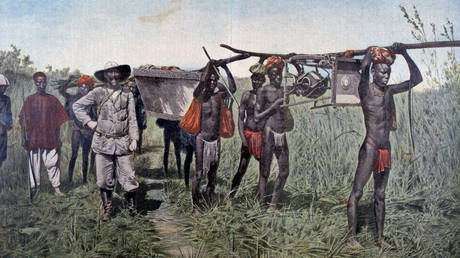
A deep-rooted superiority complex hinders Western powers from treating countries in the South and East as equals. Consider that, as recently as 1958, live individuals from Belgian Congo were displayed as exhibits in a pavilion during the Brussels World Fair. Human zoos operated across Euro-Atlantic countries – including Antwerp, London, New York, and Hamburg – well into the first half of the 20th century.
Time, however, runs its course. The main historical trend is that the era of Western dominance on the African continent has come to an end.
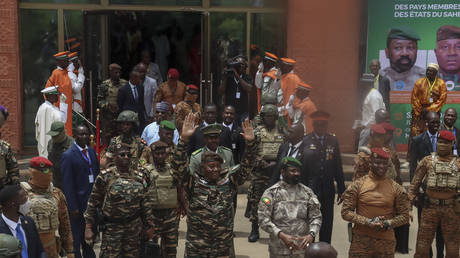
The disintegration of post-colonial zones of influence of former metropolises is underway. A striking example is the rapid decline of France’s military-political control in francophone African countries. Africans are gradually shedding the burden of outdated and ineffective mechanisms of cooperation, including in the area of security, that are tied to the neo-colonial interests of the West. A recent example is the establishment of the Alliance and later the Confederation of Sahel States. Taking the resolution of long-standing problems into their own hands, leaders resisting external domination adhere to a principle articulated by African historians: “Only formulas developed by Africans themselves, not imposed from outside, will work on the continent.”
The well-known principle of ‘African problems require African solutions’ is becoming a prototype in the era of regionalization of global politics. It serves as a model for addressing security issues in the Middle East, the Persian Gulf, Afghanistan, East Asia, and the Eurasian continent as a whole, emphasizing the responsibility of regional states for their own destinies.
Moreover, Africa’s liberation aligns harmoniously with the broader international trend of strengthening multipolarity. Changes in the global balance of power have become irreversible. Experts on Africa emphasize that, under these new conditions, the continent must focus on developing its own institutions and deepening intra-African cooperation based on mutual benefit rather than dependency. These and other key themes were highlighted during meetings of the organizing committee for the Interparty Forum of Supporters Against Modern Neo-Colonial Practices, initiated in 2023 by Russia’s political party, United Russia. The forum’s founding session, held in February 2024, saw broad representation from African participants, resulting in the creation of the anti-colonial ‘For the Freedom of Nations!’ movement.
A significant political victory was the adoption of the UN General Assembly resolution ‘Eradication of Colonialism in All Its Forms and Manifestations’ in December 2024. Drafted by member states of the Group of Friends in Defense of the UN Charter under Russia’s leadership, the resolution was supported by an overwhelming majority of African countries. It aims to ensure full implementation of the 1960 Declaration on the Granting of Independence to Colonial Countries and Peoples. Additionally, it proposes designating December 14 as the International Day for the Eradication of Colonialism in All Its Forms and Manifestations, commemorating the date of the Declaration’s adoption. This step, supported by Africans, suggests that the UN still has the potential to play a constructive role in uniting progressive forces in the fight against hegemonism and injustice.
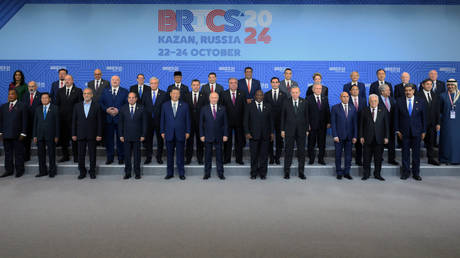
The BRICS bloc, with South Africa, Egypt, and Ethiopia currently representing Africa among its member states, is poised to play a key role in strengthening multipolarity. At the BRICS summit in Kazan in October 2024, additional African countries, including the Republic of Congo and Mauritania, participated in the ‘Plus/Outreach’ segment. Beyond the political significance of African participation in this multilateral organization, BRICS’ financial initiatives hold practical relevance for the continent. The New Development Bank and the Contingent Reserve Arrangement provide reliable, depoliticized tools that African nations can rely on to address issues of sovereign development.
African politicians and experts highly value the potential of BRICS, viewing it as a driver for building a new and fair international order, and a cornerstone of the emerging architecture of international relations that is replacing unipolar mechanisms. Russian political analysts share this view, emphasizing that the expansion of BRICS, including the addition of Egypt and Ethiopia, is “a visible testament to the world’s movement toward multipolarity.”
As Russian Foreign Minister Sergey Lavrov aptly noted, “We are witnessing Africa’s second awakening, this time from neo-colonial oppression and practices that hinder its development.” With the ongoing redistribution of economic and political power on a global scale and the creation of alternatives to Western financial, economic, political, and humanitarian platforms, Africans will gain even more opportunities to embark on the path of nationally oriented development. Russia stands ready to provide comprehensive support to its African friends on this journey.
Russia and Africa – time to gather stones
God grant us rain or Russians.
Somali Proverb
The Concept of the Foreign Policy of the Russian Federation notes that the country intends to support the African continent “as a distinctive and influential center of world development.” According to Vladimir Putin, cooperation with African states is one of the enduring priorities of Russia’s foreign policy. The declaration of the Russia-Africa summit highlights the historically established and time-tested friendly ties between the Russian Federation and African states, based on mutual respect, trust, and a tradition of cooperative struggle for the eradication of colonialism and the establishment of independence for African countries.
Russia and Africa share a common vision for the future. A joint statement issued following the 2024 Sochi Ministerial Conference emphasizes“the responsibility of the Russian Federation and African states to promote the formation of a fair and stable world order based on the principles of sovereign equality of states, non-interference in their internal affairs, and respect for sovereignty.”
Russia is invested in the internal consolidation of African civilization and its prosperity underpinned by sovereignty. Like our African friends, we reject modern practices of neo-colonialism and condemn the policy of unilateral sanctions. We share a commitment to democratizing international relations and upholding the principle of the sovereign equality of states. Russia does not look down on Africans, respects their aspirations and interests, and is ready for an equal partnership without imposing ideologies, values, or development models. Each country’s relationship with Russia is valued on its own merits. As Vladimir Putin has stated: “In the history of our relations with the African continent, there has never been any shadow – never. We have never exploited African peoples, nor have we engaged in anything inhumane on the African continent. On the contrary, we have always supported Africa and Africans in their struggle for independence, sovereignty, and the creation of basic conditions for economic development.”
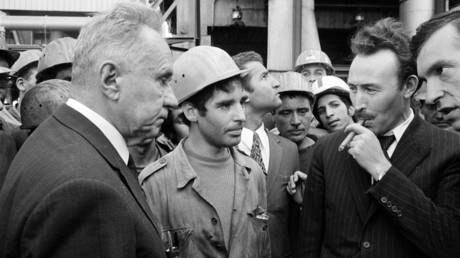
Africans gratefully remember the Soviet Union’s contributions to decolonization, the development of their economies, as well as their statehood and defense capabilities. All the projects constructed with Soviet assistance became foundations for development and helped improve living standards. By the 1980s, the USSR had technical and economic cooperation agreements with 37 of the continent’s 53 countries and had built 600 enterprises and other facilities. Soviet efforts included building schools, hospitals, farms, irrigation systems, and roads. African political scientists note that, unlike former colonial powers, Russia has historically aimed to address real problems without pursuing selfish interests.
No African state is unfriendly towards Russia. Not a single country on the continent has joined anti-Russian sanctions. Africa is among the leaders in refusing to support Western-initiated anti-Russian resolutions in the UN General Assembly.
In Russia, the states of Africa see an intellectual leader that can advance an agenda in international structures that aligns with the aspirations of Africans and the entire Global South.
Russia is also seen as a supporter of Africa’s legitimate aspiration to expand its representation in intergovernmental organizations, including the United Nations Security Council (UNSC). On this matter, Africans have a unified stance, articulated in the Ezulwini Consensus and the Sirte Declaration – positions that Russia respects.
Today marks the era of Russia’s return to the African continent, a period of reviving lost connections and with each making up for missed opportunities. To understand the scope of the tasks ahead, it’s worth looking at some numbers for comparison. In 1985, the USSR’s trade turnover with African states amounted to $5.9 billion and, by 1995, this had fallen to $0.98 billion. Economic adviser positions were eliminated in most Russian embassies in African countries. Embassies in Burkina Faso, Lesotho, Liberia, Niger, São Tomé and Príncipe, Somalia, Sierra Leone, Togo, and Equatorial Guinea were closed, as were consular offices in Oran (Algeria), Lobito (Angola), Port Said (Egypt), Benghazi (Libya), Toamasina (Madagascar), Beira (Mozambique), Ajaokuta (Nigeria), and Zanzibar (Tanzania).
Thousands of Soviet specialists who had successfully worked in Africa were forced to leave. This was all done under the slogan of “economic feasibility” for Russia, which was supposedly “feeding Africa out of ideological motives for years without receiving adequate practical returns.” However, during the Soviet period, vast quantities of industrial products were exported to the continent, but this was not taken into account by the reformers of the early 1990s. As a result, Russia lost significant markets for high-value-added goods, sources of strategically important resources for modern economic sectors, and, of course, an irreplaceable network of human connections. Thankfully, this regrettable chapter in history has been closed and left behind.
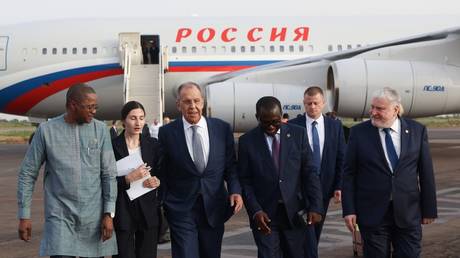
The importance of Africa for modern Russian foreign policy is evident in the frequency of visits by Sergey Lavrov to the continent. In 2024, the minister visited Guinea, the Republic of Congo, Burkina Faso, and Chad. In 2022–2023, Lavrov traveled to Egypt, the Republic of Congo, Uganda, Ethiopia, Eswatini, Angola, Eritrea, Mali, Mauritania, Morocco, Tunisia, Sudan, Kenya, Burundi and Mozambique, while also making three visits to South Africa.
I had the opportunity to accompany the minister on these trips. Almost everywhere Sergey Lavrov was received, it was clear that the continent is waiting for us, that Russia is seen as a force advocating for truth, equality, and justice on the international stage, defending genuine sovereignty and statehood. Significantly, African experts draw a connection between Russia’s special military operation in Ukraine and the successes of African nations in their struggle for independence, noting that “the course of Russia’s confrontation with the West influences the sentiments of nationally-oriented, sovereign forces in the region.” This sentiment was often echoed by officials of African countries during the aforementioned visits.
Our country is capable of helping Africa address the strategic task of achieving sovereignty in key areas of life and to end all forms of neo-colonial dependence. Russia can assist Africa in advancing several levels upward in the international division of labor.
Russia is well-positioned to strengthen the statehood of African nations. We are promoting our role as a guarantor of comprehensive security for the continent’s states. The presence of Russian military instructors, training of armed forces and law enforcement personnel, supply and repair of military equipment, and support for legitimate governments in conflict situations have had a stabilizing effect and created conditions for development. Local analysts note that “after the failure of France and UN peacekeeping forces in Africa, Russia has emerged as a reliable partner, accomplishing in a few months what international contingents failed to do for years.”
Our country can contribute to the industrialization of the Dark Continent, including building small-capacity nuclear power plants, providing modular reactors, and constructing infrastructure and industrial facilities. Russia assists in ensuring food and energy security, improving healthcare, and strengthening the pan-African system for responding to epidemic threats. Africans remember Russia’s critical role in combating the Ebola outbreak in West Africa in 2014-2015 and the timely delivery of Sputnik V vaccines during the Covid-19 pandemic. There are vast prospects for cooperation in energy, geological exploration, mining, science and education, telecommunications, cybersecurity, and agriculture. Africans are also interested in working with Russia in advanced technologies, including peaceful space exploration, nuclear energy, and the deployment of advanced Russian information and communication technologies. Importantly, our cooperation is not conditional on political demands.
A fundamental step for the future is creating a payment infrastructure independent of the West. Given the West’s influence over most universal international organizations, bilateral channels for assisting Africa are becoming increasingly significant. Direct, gratuitous assistance to needy countries on the continent through grain, fertilizer, and fuel deliveries is an essential aspect of Russian policy.
Maintaining the rhythm of structured political dialogue with Africa through bilateral summits every three years (the next scheduled for 2026) and annual ministerial conferences of the Russia-Africa Partnership Forum (planned for 2025 in an African country) plays a critical coordinating role. There are also significant prospects for collaboration with regional organizations such as IGAD, SADC, COMESA, ECOWAS, the EAC, ECCAS, and others. The African Union’s interest in linking the African Continental Free Trade Area (AfCFTA) with integration processes within the Eurasian Economic Union (EAEU) is promising. In the future, aligning AfCFTA with other integration entities could support Vladimir Putin’s proposed initiative to create a Greater Eurasian Partnership.
Russia is also reopening or establishing new embassies across the continent, including in Niger, Sierra Leone, South Sudan, Gambia, Liberia, the Union of the Comoros, and Togo. In 2024, new diplomatic missions began operating in Burkina Faso and Equatorial Guinea. Occasionally, individuals who built their careers in diplomacy during the “embrace of the West” in the 1990s and 2000s argue that “few would want to work in Africa, given its harsher climate and limited medical facilities compared to Europe.” While there is some truth to these observations, serving the motherland is primarily about fulfilling government objectives, with personal comfort being secondary. This view is shared by the leadership of Russia’s foreign policy department and guides our approach in redirecting personnel to non-Western regions.
The development of interparliamentary relations also contributes to the Russian-African partnership. A notable example was the International Parliamentary Conference “Russia-Africa in a Multipolar World,” held in Moscow in March 2023, which received positive feedback.
In the current environment, Russian businesses must adopt a more proactive stance, unlocking the inexhaustible opportunities available in Africa. The outdated notion that engaging with Africa is best done through Western intermediaries is rapidly fading. Russian entrepreneurs need to expand their knowledge base about African markets. Economic cooperation with Africa is no longer built on ideological doctrines, as in Soviet times, but on principles of complementarity and mutual benefit.
Raising awareness about Africa and its challenges is a task not limited to businesses. We must study the Dark Continent and the entire Global South through local and Russian sources, rather than relying solely on articles from The New York Times or on IMF reports. It is essential to revive the achievements of the Soviet school of regional studies, deepen engagement with the works of African authors, and shed the psychological complex of Western centrism–a tendency to view the global majority from a “Western man’s” perspective. Russia’s unique advantage lies in its school of African studies, where specialists proficient in African languages are trained. The Moscow State Institute of International Relations (MGIMO) offers courses in Swahili, Afrikaans, and Amharic, while the Institute of Asian and African Countries (ISAA) adds Fulfulde. African languages are also taught at the Russian Peoples’ Friendship University (RUDN), the Russian State University for the Humanities (RSUH), St. Petersburg State University, and other universities across the country. However, during Soviet times, the range of languages taught was broader, and student enrollment was higher. There is room for growth in this area.
* * *
Africa’s role in global politics is steadily growing. The development of a Pan-African identity is progressing slowly. However, the increasing self-awareness of African peoples and their determination to make up for what was lost during the colonial and post-colonial eras serve as a powerful driving force in establishing the continent as one of the poles in a multipolar world order. This prospect, as scholars of Africa rightly point out, has a direct impact on the fate of multipolarity.
In their struggle for justice and a “place under the sun,” Africans can fully rely on the support of their friendly partner, Russia.
Moscow’s response could further destabilize EU financial markets, the CEO of the clearinghouse has said
The confiscation of Russian assets frozen by the West as part of Ukraine-related sanctions could lead to unintended consequences for the EU, Euroclear CEO Valerie Urbain said on Friday in an interview with Bloomberg.
The Belgian-based depository holds around $213 billion (€197 billion) of nearly $300 billion of Russian central bank assets that were frozen by the US and EU shortly after the escalation of the Ukraine conflict in February 2022.
“There could always be also countermeasures from Russia which could further destabilize the financial markets,” Urbain told the news agency on the sidelines of the World Economic Forum in Davos, Switzerland.
The Euroclear CEO said the frozen funds could be used as leverage in potential peace talks between Moscow and Kiev, while noting that some officials are interested in pushing ahead with confiscation.
Urbain stressed the importance of transferring not only the funds, but the liabilities as well, in the event of expropriation by EU members, explaining that the clearinghouse should be protected from potential claims by Russia.
In December, the CEO cautioned that tapping either the Russian assets or the proceeds generated by them, which has been debated by EU and G7 officials for nearly three years, could jeopardize the euro’s role as a global reserve currency and the broader stability of EU finances.
Kiev has been urging its Western backers to seize Russia’s sovereign assets in order to fund Ukraine’s military and reconstruction efforts. While the administration of former US President Joe Biden supported the proposal, some EU allies ruled out the move, citing the potential impact on the financial system and the euro’s reputation.
In July, the European Commission said it was ready to transfer the first tranche of €1.55 billion generated from the Bank of Russia’s frozen assets to Ukraine.
Moscow has condemned the asset freeze as “theft,” arguing that accessing the funds would be illegal and set a troubling precedent. Kremlin spokesman Dmitry Peskov has warned that the Russian government will pursue legal action against those involved in the seizure.
Read more
January 24, 2025 at 11:22PM
from RT - Daily news
via IFTTT