A suspected terrorist cell had a 10kg improvised explosive device and a grenade launcher in its arsenal, the agency has said
The Russian Federal Security Service (FSB) has targeted eight residents in the southern republic of Ingushetia, who it claims were preparing terrorist attacks against energy infrastructure and police officers.
The agency raided several addresses in the cities of Magas and Nazran, it announced in a statement on Monday. A suspect at one location was shot after resisting arrest, according to a report and accompanying footage and images released by the FSB.
The video also included the moment an alleged secret weapons stash in a wall was discovered. The arsenal included a shoulder-fired grenade launcher, 11 hand grenades, five assault rifles, nine handguns, and a massive improvised explosive device with an equivalent yield of 10kg of TNT, the FSB stated.
The suspects have been charged with crimes related to illegal possession of explosives and weapons, and attempted sabotage.
Last month, security officials in Ingushetia reported that they had foiled a gun attack on a church in the region, which would have mirrored a high-profile terrorist assault in Dagestan in June.
On that occasion, a coordinated attack in two cities resulted in gunmen killing 22 people, including a Christian priest, a synagogue security guard, and 17 police officers. Security was ramped up across southern Russia in response.
Read more
September 30, 2024 at 12:06AM
from RT - Daily news
via IFTTT
The security services sifted through vast amounts of data while relying on high-tech intelligence gathering methods, the paper reports
Israel was able to assassinate Hezbollah leader Hassan Nasrallah only after overhauling its approach to intelligence gathering, focusing its efforts on scouring large amounts of data, the Financial Times reported on Monday, citing experts.
Nasrallah was a priority Israeli military target for decades before his death from an air strike last week. He survived several assassination attempts during the 2006 Lebanon War alone.
Israeli secret services significantly increased the depth and quality of their intelligence gathering on Hezbollah and began treating it as a well-organized “terror army,” following the beginning of the war in Syria, the FT said.
As Hezbollah fought in the neighboring country, it had to step up recruitment, making it more vulnerable to Israeli spies.
The Syrian conflict became “a fountain of data” for Israel, which digitally processed multiple pieces of information – including obituaries, data on deceased fighters’ birthplaces, and their circle of friends, the article said. According to the FT, the funerals were extremely useful because they often brought Hezbollah commanders out of the shadows.
As a result of the fighting in Syria, Hezbollah “went from being highly disciplined and purists to someone who let in a lot more people than they should have,” Yezid Sayigh, a senior fellow at the Carnegie Middle East Center, said, adding that the group grew increasingly complacent and arrogant.
Israeli spy satellites, drones, and data and image processing and hacking capabilities also advanced during this time.
Moreover, after the start of the Israel-Hamas war last October, West Jerusalem appeared “to have lulled Nasrallah into thinking that the two arch-rivals were involved in a new sort of brinkmanship,” as Israel and Hezbollah exchanged cross-border strikes without further escalation.
Earlier this month, a wave of pager and portable radio detonations targeting Hezbollah officials swept through the Middle East, killing and maiming dozens. According to the FT, the Israelis were also able to pinpoint Nasrallah’s location, striking an underground compound in Beirut with devastating force that killed the longtime leader.
In response, Hezbollah pledged to continue “its jihad in confronting the enemy,” while Iran, the group’s key backer, vowed to avenge his death. As a result, the Israeli military was put on high alert to fend off any potential retaliation.
Read more
September 29, 2024 at 11:29PM
from RT - Daily news
via IFTTT
The Defense Ministry has reported that another settlement in the Lugansk People’s Republic was taken by the ‘West’ tactical group
Russian forces have liberated another settlement in Donbass, the Defense Ministry reported on Sunday. The settlement of Makeevka in Russia’s Lugansk People’s Republic has been taken by the ‘West’ tactical group.
In this area and others where the ‘West’ group is operating, the Ukrainian military has lost up to 450 troops over the past 24 hours, according to the ministry’s report. Russian forces have also destroyed numerous pieces of military hardware in this operational theater, including a Polish-made Krab self-propelled artillery gun, a US-made M198 howitzer, and a British-made FH-70 howitzer.
There is also a city called Makeevka in the neighboring Donetsk People’s Republic. It has been frequently shelled by Ukrainian forces during the conflict, with civilians being hit.
The total number of Ukrainian casualties inflicted by the other five Russian tactical groups in the past 24 hours has exceeded 1,500 along the entire front line, the Defense Ministry claimed.
According to the ministry, Moscow’s Air Force, drones, missiles, and artillery obliterated two “oil infrastructure facilities” and a radio-technical intelligence center, among other targets.
Over the past several months, Russian forces have been steadily advancing across Donbass, seizing multiple locations. With the Ukrainian military struggling to contain the push, the Russian Army continues to get closer to the city of Pokrovsk, a key logistics hub for Kiev’s forces.
Read more
September 29, 2024 at 01:10AM
from RT - Daily news
via IFTTT
Nabil Qaouk served as the commander of the group’s Preventive Security Unit, the IDF has said
The Israeli military has claimed to have eliminated another senior Hezbollah official, Nabil Qaouk, who sat on the group’s Central Council. This comes after West Jerusalem recently assassinated Hezbollah chief Hassan Nasrallah and reported taking out most of the organization's military leadership.
In a statement on Sunday, The Israel Defense Forces (IDF) said that an air raid the previous day “attacked and killed the terrorist” Qaouk, who also led Hezbollah’s Preventive Security Unit.
Qaouk, the IDF said, “is considered to be close to the top” of Hezbollah, and “was directly involved in promoting terrorist acts against the State of Israel and its citizens, even in recent days.” It added that the Hezbollah official joined the group in the 1980s and held several executive posts in southern Lebanon.
“The IDF continues to attack and eliminate the commanders of the terrorist organization Hezbollah, and to act against anyone who threatens the citizens of the State of Israel,” the statement added.
Hezbollah has yet to comment on the Israeli claim.
On Saturday, Israel carried out a bombing raid on a Hezbollah compound in Beirut, killing Nasrallah, who had been an archenemy of the Jewish State for decades. Officials in West Jerusalem also said that more than a dozen senior Hezbollah military figures had been taken out in recent weeks.
Meanwhile, ABC News reported over the weekend, citing US officials, that Israel may launch a “very limited” incursion into southern Lebanon soon. While the outlet did not provide details on the exact time frame or goals of the operation, the area is often used by Hezbollah for firing rockets across the border and is considered a hub for the group’s other military activities.
Read more
September 29, 2024 at 12:06AM
from RT - Daily news
via IFTTT
Despite previous guarantees to lawmakers, the US strategy for Ukraine was both late and totally classified, the paper has said
US President Joe Biden has not been honest with the American public about his administration’s plan for Ukraine, the Wall Street Journal’s editorial board wrote in an article on Friday.
Despite Biden styling himself a supporter of Ukraine’s freedom in his speech to the UN General Assembly this week, he refuses to level with Congress and the American public about his strategy to achieve victory, the editorial stated.
In April, lawmakers passed a nearly $61 billion supplemental budget for Ukraine, after months of wrangling between Democrats and Republicans. One of the conditions stipulated was that the Biden administration articulate a strategy regarding US support for Ukraine within 45 days of the budget’s enactment, and quarterly moving forward.
“Biden knew this commitment was necessary to get aid through Congress, and he signed the bill,” WSJ observed.
Despite this, the strategy was submitted “months after the congressionally-mandated deadline,” the newspaper said, citing a press release from GOP lawmakers. “Also, and this is typical of the Biden stonewall: The document is entirely classified,” WSJ wrote, adding that congressmen want the strategy made available to the American public.
”Don’t count on the Administration following this order before Nov. 5, if it ever does,” the board said.
“A public release might mean that Vice President Kamala Harris would have to explain her own thinking on the war before the election. As long as she doesn’t, and the Administration covers it up, Ms. Harris co-owns Mr. Biden’s record of muddled half measures.”
The Biden administration announced a further $8 billion in military aid for Kiev on Thursday, reserving the remainder of a large Congressionally-approved allocation set to expire by the end of September. This came right after Ukrainian leader Vladimir Zelensky visited the US to pitch what he termed his “victory plan” to his biggest sponsor.
According to several Western media sources, Kiev’s wishes are now increasingly clashing with those of its backers in the West. Its allies have also so far denied its ever-more urgent demands to allow the use of Western-supplied arms to strike deep into Russian territory.
Meanwhile, Zelensky has rejected any possibility of compromise with Russia and ruled out negotiations. Ukrainian officials have suggested that escalating the conflict could force Russia to settle on Kiev’s terms.
Moscow views the conflict as a de facto proxy war and has warned that if Kiev is given permission to use Western long-range weapons, any such attack will be viewed as an act of war.
Read more
September 28, 2024 at 11:14PM
from RT - Daily news
via IFTTT
UK-based Sky Group claims the studio breached an agreement to co-produce a new TV series based on the beloved franchise
British media conglomerate Sky Group filed a lawsuit on Friday against US-based Warner Bros. studio over the rights to film a new TV show based on the Harry Potter books, court documents show. Sky claims the studio has repeatedly breached an agreement that gave it the right to co-produce shows alongside Max, formerly HBO Max, a streaming service owned by Warner.
Sky reached a co-production deal with Warner back in 2019, when the studio was owned by the telecoms holding AT&T. The agreement stated that Warner was to annually offer to Sky four Max shows to co-fund, co-produce, and then distribute exclusively to Sky viewers in the UK and other European countries.
Sky claims that Warner has failed to deliver on the deal after it broke away from AT&T and merged with Discovery to form Warner Bros. Discovery (WBD) in 2021. In its lawsuit, Sky further accused Warner of intentionally excluding it from the new hit series.
“Warner’s reason for refusing to honor its obligations to Sky could not be more clear. Warner has chosen to keep the Harry Potter Series for itself and make the blockbuster Series the cornerstone of its own Max rollout in Europe,” it stated. The company added that being excluded from the franchise would cost it hundreds of millions of dollars “at the very least” in lost revenue.
“The loss of the opportunity to partner in the funding and production of the wholly unique and irreplaceable Harry Potter series cannot be completely or adequately quantified,” the media giant complained, noting that the value of the Harry Potter brand has been “estimated to be worth at least $25 billion.”
Sky now demands reimbursement for the damages allegedly caused by Warner’s breach of its obligations. It also wants the Harry Potter series “immediately submitted” for co-production under the deal.
A Warner Bros. spokesperson on Friday slammed the lawsuit as a “baseless attempt” by Sky “to try and gain leverage” in talks for content distribution after their current agreements ends in late 2025.
“We know HBO branded shows are critical to Sky… that Sky is deeply concerned about the viability of its business were it to lose our award-winning content,” the spokesman stated.
Warner announced plans for its Harry Potter series in April 2023. The author of the franchise, JK Rowling, would act as executive producer. Casting for the series has already kicked off, and production will reportedly start next April. The show does not currently have a release date.
Read more
September 28, 2024 at 12:42AM
from RT - Daily news
via IFTTT
GG Conservation has shared rare images of the big cats exploring wintery terrain for the first time
Lions at the Glen Garriff Conservation (GG Conservation) wildlife sanctuary in Harrismith, South Africa, are experiencing heavy snow this September, an unusual event for the big cats, the organization reported on Wednesday.
The sanctuary reported that the majestic animals were both intrigued and cautious as they explored the landscape. Suzanne Scott of GG Conservation captured footage of the lions navigating the wintery conditions. According to a post on the sanctuary’s Instagram account, the animals seldom encounter such an environment and were fascinated by the “novel stuff falling from the skies.”
The spell of bad weather struck on Saturday, with the impact particularly felt along the key N3 highway connecting Johannesburg and the coastal city of Durban. Heavy snowfall completely halted traffic, leaving drivers and passengers stranded.
Motorists expressed concern, reporting that they felt helpless and vulnerable due to the unexpected standstill. The South African Weather Service had issued warnings, but the severity of the snow caught many by surprise.
On Friday, SAnews reported that the South African Weather Service (SAWS) had forecast a significant drop in temperatures and the possibility of another snowfall over the high-lying regions of the Western Cape, Eastern Cape, and KwaZulu-Natal provinces in the coming days, beginning on Sunday.
The Federal Security Service has added three more people to its probe into apparent illegal crossings into Kursk Region
Russia’s Federal Security Service (FSB) has launched investigations against three more journalists who allegedly crossed the Russian border illegally to report from Ukrainian-occupied parts of Kursk Region.
Kathryn Diss and Fletcher Yeung of the Australian Broadcasting Corporation visited the town of Sudzha in Kursk Region in early September and Mircea Barbu of Romanian news website HotNews did so in late August, the agency claims.
The FSB noted that with the addition of three more names, the list of Western media professionals suspected of breaching the border with the backing of the Ukrainian military has reached 12.
Kiev launched its incursion into the Russian region on August 6, seizing some territory but failing to advance deeper. Sudzha was arguably the biggest prize for the thousands of troops deployed. Since taking the settlement a number of press tours for foreign outlets have been organized, with reporting focused on Russian civilians who could not evacuate from the war zone in time.
Journalists from the American network CNN and the government-funded Radio Free Europe/Radio Liberty (RFE/RL), Germany’s Deutsche Welle (DW), Italy’s RAI, and the Ukrainian TV channel 1+1 are also among those being investigated by the Russian authorities.
The Russian Foreign Ministry has specifically called out RAI correspondent Ilario Piagnerelli, who interviewed a Ukrainian soldier with a Nazi insignia on his cap during the Italian reporter’s trip to Kursk Region. He later issued an apology and took down the video, claiming he did not notice the offensive symbol until after the report aired.
Read more
September 27, 2024 at 12:19AM
from RT - Daily news
via IFTTT
Mohammad Srour was killed in an Israeli airstrike on an apartment block in Beirut
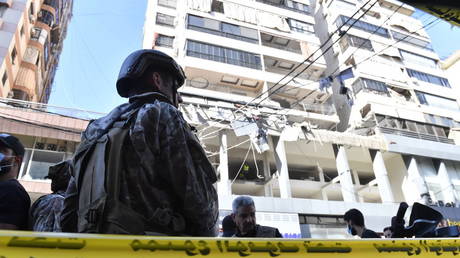
The head of Hezbollah’s drone and cruise missile command has been killed in an Israeli attack on Beirut, the Lebanon-based militant group has confirmed in a post on Telegram on Friday.
The Israel Defence Forces (IDF) claimed on Thursday to have killed Mohammad Srour, also known as Abu Saleh, in a strike on an apartment block in the southern suburb of Beirut.
“Fighter jets attacked Beirut and killed Mohammad Hussein Srour,” the IDF said in a post on X (formerly Twitter).
Lebanon’s National News Agency has reported that “three missiles” had targeted “a residential apartment in a ten-story building.”
In an update on Telegram on Friday, Hezbollah confirmed the death of Srour, 51, who joined the militant group in 1986 and “led military operations for the Islamic resistance’s air force on the Lebanese support front.”
He was reportedly in charge of Hezbollah’s drone, cruise missile, and air-defense branch. According to the IDF, he “directed and commanded” many drone attacks aimed at Israel.
Local media reported that it was the fourth attack in a week targeting Hezbollah officials in a densely populated area of southern Beirut. Two people were killed in the strike and 15 wounded, “including a woman in critical condition,” according to Lebanon’s Health Ministry.
Israel has killed at least three top Hezbollah commanders since last Friday, including Ibrahim Aqil, Ahmed Wahbi, and Ibrahim Qubaisi.
The assassination of Hezbollah’s head of aerial command marked a significant escalation in the ongoing Israel-Lebanon conflict.
Israeli Prime Minister Benjamin Netanyahu pledged to maintain large-scale military operations against Hezbollah on Thursday, rejecting mounting international calls for a ceasefire.
Earlier this week, the US and France proposed a 21-day ceasefire deal between Israel and Hezbollah to make way for broader negotiations. While Netanyahu’s office said he was yet to respond to the initiative, the Israeli prime minister instructed troops to continue “fighting with full force” against Lebanon.
Netanyahu’s firm stance has dented the prospects of a ceasefire, despite efforts by international officials advocating for a temporary halt in the violence to prevent the conflict from escalating into a full-scale war.
Read more
September 27, 2024 at 12:12AM
from RT - Daily news
via IFTTT
Supplies to Ukraine in the coming year are at risk, sources told the news agency
Kiev is facing a shortage of foreign military assistance next year, as some donors are “struggling to secure funding and others balk at increasing financing,” Bloomberg reported on Friday, citing anonymous sources.
The Ukrainian military overwhelmingly depends on foreign aid for its hardware, with over 80% coming from abroad, according to Defense Minister Rustem Umerov. The bulk of the military assistance in 2025 will come under a $50 billion loan, which G7 nations want to make against the profits from frozen Russian assets, the Bloomberg report said.
The scheme, which Moscow has described as theft, is yet to be finalized and will not be enough to meet Ukraine’s needs, the outlet said. The $50 billion would be roughly equivalent to what the West provided in the first six months of 2024.
In key Western nations, circumstances are working against continued funding for Kiev, the outlet said. In the US, there is the possibility that Donald Trump will be reelected president – the former leader has accused America’s EU allies of not pulling their weight on Ukraine. Germany, France, and Italy are in political turmoil. The UK, one of the staunchest supporters of Kiev, is set to cut spending across the board.
Meanwhile, Russia plans to spend 6.2% of its GDP on defense in 2025, which amounts to around $142 billion. “Russia’s economy is on a war footing, while Ukraine’s allies are not,” Bloomberg said, citing one of its sources.
The warning comes as Ukrainian leader Vladimir Zelensky is touring the US to promote his ‘victory plan’ against Russia. President Joe Biden, who met with Zelensky on Thursday, has authorized the release of $8 billion in Congress-approved aid, days before the end of the fiscal year would have made much of the funds no longer available to his office.
But the White House would neither endorse the ‘victory plan’ nor grant permission for Ukraine to strike targets deep inside Russia with Western-supplied weapons, which Zelensky has been demanding for months.
Reports in the Western media reflect skepticism regarding Zelensky’s plan and growing pressure on him to drop his maximalist goals and redefine what ‘victory’ in the conflict entails.
Read more
September 26, 2024 at 11:15PM
from RT - Daily news
via IFTTT
The UN says the parties have signed a preliminary agreement on procedures for appointing new leadership of the institution
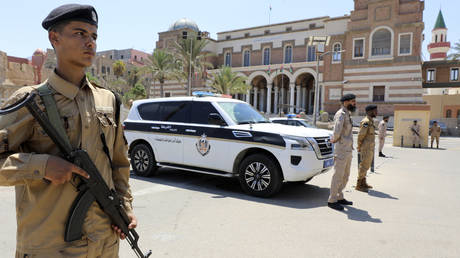
The UN Support Mission in Libya (UNSMIL) says representatives of the country’s rival governments have recommitted to appointing a new central bank governor to settle a dispute arising from the removal of the institution’s leader.
The agreement was reached by officials of the House of Representatives (HoR), based in Benghazi, and the High State Council (HCS) in the capital, Tripoli, following a new round of negotiations, UNSMIL said in a statement on Wednesday.
“The parties have signed an agreement in initial letters on procedures, standards and timetables for the appointment of a governor, deputy governor and board of directors of the Central Bank of Libya (CBL),” it announced.
According to the UNSMIL statement, the delegation will host a signing ceremony on Thursday in “the presence of a number of representatives of diplomatic missions in Libya.”
UNSMIL has been engaging the Libyan factions since the country descended into fresh turmoil last month when the Presidential Council (PC) in Tripoli issued a decree removing CBL Governor Sadiq al-Kabir.
The once-prosperous North African country has had little peace since a 2014 NATO-backed uprising ousted longtime ruler Muammar Gaddafi. It has been split between two competing eastern and western administrations, with the interim Government of National Unity, installed as part of a UN-backed process to prepare for elections, headquartered in Tripoli. The other administration is based in Benghazi, the home of the national parliament, and several attempts to unite them have failed. The CBL is divided along the same political lines, but the Tripoli branch, which Kabir had led for over a decade, remains the only internationally recognized repository for oil revenues and foreign reserves.
Libya’s eastern government condemned Kabir’s dismissal as “unacceptable,” with the HoR arguing that the removal and appointment of the governor should not be a unilateral decision by the Presidential Council. In protest, it banned all oil production and exports, vowing to maintain the blockage until the veteran’s reinstatement.
The UN mission, established to coordinate Libya’s political process, has repeatedly said the struggle for control of the CBL poses “serious risks” to the country’s population and relationships with its international partners.
Earlier this month, the HCS and the HoR had agreed to appoint a governor and board of directors for the CBL within 30 days. However, two weeks ago, UNSMIL said it was disappointed that the legislative bodies failed to finalize an agreement on resolving the crisis at the conclusion of talks.
Read more
September 26, 2024 at 12:14AM
from RT - Daily news
via IFTTT
Any decision on Kiev joining the bloc should not be rushed, the Turkish president has said
The US is the main opponent of Ukraine joining NATO, although many other countries in the bloc are also against Kiev’s potential membership, Turkish President Recep Tayyip Erdogan has said.
Western security guarantees and a shorter accession path to NATO membership are reportedly among the key clauses in Ukrainian leader Vladimir Zelensky’s ‘victory plan’ for the conflict with Russia.
Zelensky is currently in the US, where is he promoting the plan and is scheduled to meet with President Joe Biden and Vice President Kamala Harris in Washington on Thursday.
Erdogan told NBC News on Wednesday that “the US, first and foremost, does not want to see Ukraine as a NATO member. And many NATO countries do not want Ukraine to be a member-state.”
“These are not questions to be rushed,” he added of the possibility of Kiev joining the bloc, of which Türkiye is a member.
“And when making our minds, when we are taking our decisions, we always take into consideration the stance of other NATO member states, we discuss those possible questions around the table and make the final decision accordingly,” Erdogan stated.
When asked directly if Ankara would accept Ukraine in NATO, Erdogan replied that “we are going to follow the developments, the deliberations, and reach a final decision accordingly. These are not decisions to be rushed in an excited way.”
He also spoke about Türkiye’s ties with Russia, describing them as “multidimensional, political, economic, cultural, defense industry related. There are many dimensions, dimensions there and our solidarity, our interaction, has been going on and economically every day, these relations are expanding.”
A unanimous decision by all members is required to expand NATO. Finland and Sweden, who became the latest nations to join the bloc in 2023 and 2024 respectively, had to overcome strong initial opposition from Türkiye, which accused them of harboring members of the Kurdistan Workers’ Party (PKK), considered a terrorist group by Ankara.
A senior US State Department official told AP on Tuesday that the political element of Zelensky’s ‘victory plan’ focuses on how to assure the Ukrainian population that they will be welcomed into Western institutions such as the EU and NATO, assuming they continue to fight Russia or if a negotiated settlement with Moscow is achieved.
NATO declared at a 2008 summit in Bucharest that Ukraine, along with another former Soviet Republic, Georgia, would join the US-led bloc at some stage. After the conflict between Russia and Ukraine broke out, NATO Secretary General Jens Stoltenberg and other officials repeatedly claimed that Kiev was on track to becoming a member, but never announced a specific timeline for accession.
Moscow, which views NATO as hostile and vigorously opposes its eastward expansion, highlighted Kiev’s aspirations of joining the bloc as among the main reasons for launching its military operation against Ukraine in February 2022.
Read more
September 25, 2024 at 11:17PM
from RT - Daily news
via IFTTT
Low prices are forcing local producers to sell off superior wheat, the news outlet has reported
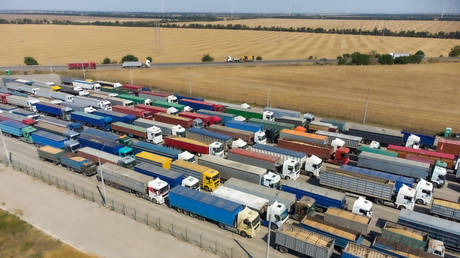
Uncontrolled supplies of cheap grain from Ukraine are ruining German farmers, Bild has reported, citing industry sources.
Prices for wheat in Germany, the EU’s biggest economy, are continuing to decline, the tabloid noted, adding that a ton of the commodity is currently hovering around €200 ($224). Wheat prices saw an unprecedented surge from €287 ($321) to €435 ($486) shortly after the Ukrainian conflict escalated in February 2022.
Due to drastically limited loading options in the Black Sea, significantly more wheat, which should actually be exported further afield, is currently coming to Germany on trucks and freighters, according to Bauer Dismer, a grain farmer from Lower Saxony who was quoted by Bild.
“But our mills and feed mills take advantage instead. Apparently at dumping prices of less than €160 ($179) per ton,” he told the newspaper.
The official agreement governing the freight route for Ukrainian agricultural exports lapsed in July 2023, when Moscow declined to renew the original Türkiye- and UN-mediated Black Sea Grain Initiative. Russia said the US and EU had not kept their part of the deal, blocking exports of Russian food and fertilizer.
Shortly after the escalation of Ukrainian conflict, the EU suspended all tariffs and quotas on Ukrainian agricultural produce to enable grain from the country to be shipped onward to global markets. Earlier this year, the tariff-free trade model was extended for another year.
“We are selling off our wheat that is produced under the highest German standards, while wheat from Ukraine is being pumped into the country,” Frank Wullekopf told the newspaper, adding that Ukrainian producers are not obliged to provide proof of pesticides or fertilizer quantities.
“Not to mention the dangers posed by war-related contamination of the wheat,” the farmer added.
Meanwhile, prices for baked products in Germany are rising despite the notable decline in grain prices, according to Friedemann Berg, managing director of the German Bakers’ Confederation, as cited by the news outlet. Other costs covering personnel, energy, and bureaucracy have also increased, he said, adding that bakers in the EU have been obliged since January to certify that the production of the raw materials they use did not lead to the destruction of forests.
Farmers are not the only industry players impacted by a massive influx of cheap agricultural products from the embattled country, Bild noted, noting that producers of agricultural equipment are suffering as well, as grain growers cannot afford to bring their farming machinery up to date.
Read more
September 25, 2024 at 01:07AM
from RT - Daily news
via IFTTT
Artyom Dmitruk has fled his home county, saying his life is in danger due to his opposition to Kiev’s church crackdown
A court in London heard Kiev’s case for the extradition of fugitive legislator Artyom Dmitruk on Tuesday. He claims he had to escape Ukraine due to his public opposition to his government’s crackdown on the largest Christian denomination in the country.
The lawmaker, who is a Ukrainian Orthodox Church (UOC) deacon, fled in August, as he was facing criminal charges. He claims he is being targeted for defending the self-governance church, which historically was part of the Moscow Patriarchate, including by criticizing a law passed last month that threatens it with full ban for allegedly being subservient to Russia.
“Right now there is a political persecution going on against me and my family, against myself for my political views and my support for the UOC,” he told The Independent ahead of his appearance at the courthouse.
The preliminary hearing apparently went in Dmitruk’s favor at Westminster Magistrates’ Court. He retained his freedom, he said in a brief statement following the proceedings, adding “thank God for everything.”
According to Ukrainian journalist Anatoly Shariy, British officials were impressed with Kiev’s vigor in seeking Dmitruk’s extradition. Ukrainian leader Vladimir Zelensky and Prosecutor General Andrey Kostin personally contacted the Britons to ask them to accelerate the case, he claimed, without citing a source.
The legislator claims that his life was in danger in Ukraine. He had previously alleged that his family was surveilled in Europe in a possible kidnapping plot.
In the interview with The Independent, he said he illegally crossed the Ukrainian border with Moldova and spent some time in Italy before reaching the UK. The British government has been providing him with security, he added.
Last week, Diana Panchenko, another Ukrainian journalist sympathetic to Dmitruk’s predicament, released a report about public threats against him made by radical nationalists and possible links between a “bounty” put on his head and the Ukrainian government.
She claimed that former MP Andrey Lozovoy, who publicly offered $250,000 for “an ashtray with the remains” of Dmitruk, had approached one of his former assistants. He was seeking information that could be used to publicly humiliate the man’s ex-boss and details about his whereabouts, Panchenko claimed, sharing tapes of the purported conversations. Lozovoy later put the source in touch with a Ukrainian counterintelligence officer, she alleged.
Dmitruk has endorsed the reporting and claimed that the plot against him could be traced to the top of the Ukrainian government and as far as Zelensky personally.
Read more
September 25, 2024 at 12:50AM
from RT - Daily news
via IFTTT
The Ukrainian leader’s scheme is not a game-changer, a Western official has told the agency
Expectations should be lowered for a so-called ‘victory plan’ that Ukrainian leader Vladimir Zelensky is presenting to the US and other allies this week in New York, Western officials have told Bloomberg.
People familiar with Zelensky’s conversations with foreign leaders do not believe that the much-hyped scheme can deliver a breakthrough in the conflict with Russia, the agency said in an article on Tuesday.
A source noted that the ‘victory plan’ does not include any “real surprises” and is not a game-changer, while another official described the initiative as nothing more than a “wish list.”
“The gloomy assessment of the plan underscores a deepening sense of pessimism among allied nations” regarding the outcome of the conflict between Moscow and Kiev, Bloomberg stressed.
According to the agency’s sources, at least one ally has suggested that it is “time for a new round of outreach” to Russian President Vladimir Putin, either by Zelensky or by Ukraine’s foreign backers.
Another official claimed that the West is still eager to support Kiev for as long as necessary – but that it needs clarification from the Ukrainian leader as to what peace with Moscow might look like.
The ‘victory plan’ has not been made available to the public, but the Sunday Times reported that it is based on four clauses: Western security guarantees for Ukraine, similar to NATO’s principle of collective defense, a continuation of Kiev’s incursion into Russia’s Kursk Region to serve as a territorial bargaining chip, deliveries of “specific” advanced weapons by foreign backers, and international financial aid for Ukraine.
In an interview with ABC News on Tuesday, Zelensky claimed that “that we are closer to peace than we think.” However, he stressed that his scheme “is not about negotiation with Russia,” but about “the strengthening of Ukraine.”
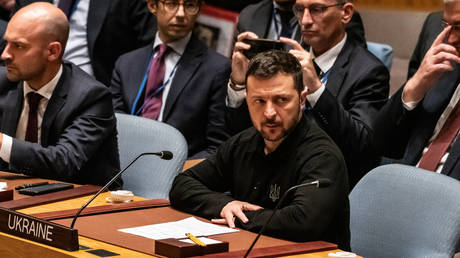
In his address to the UN Security Council later in the day, the Ukraine leader reiterated that the conflict “cannot be calmed by talks” and that Moscow “can only be forced into peace.”
While in New York, Zelensky is planning to discuss his ‘victory plan’ with US President Joe Biden, members of Congress, and both presidential contenders – Kamala Harris and Donald Trump.
Kremlin spokesman Dmitry Peskov said earlier this week the Russian leadership so far cannot properly evaluate the Ukrainian leader's initiative because there is not enough reliable information about it. On Tuesday, Peskov reiterated that the conflict will only end when Moscow achieves all the goals of its military operation “one way or another”.
Read more
September 24, 2024 at 11:21PM
from RT - Daily news
via IFTTT
US-led Western export controls on Russian diamonds have hit the world’s largest cutting and polishing hub, which had already been left reeling from the Covid-19 slowdown
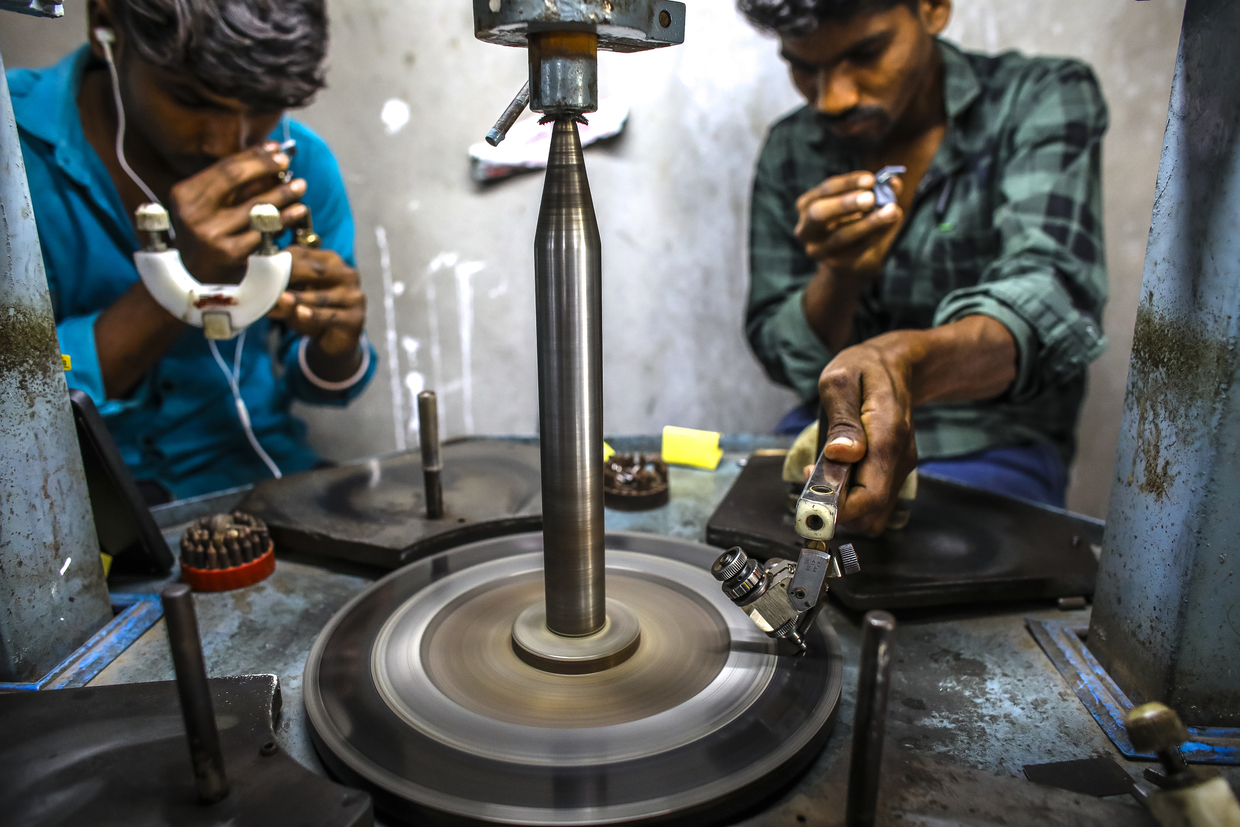
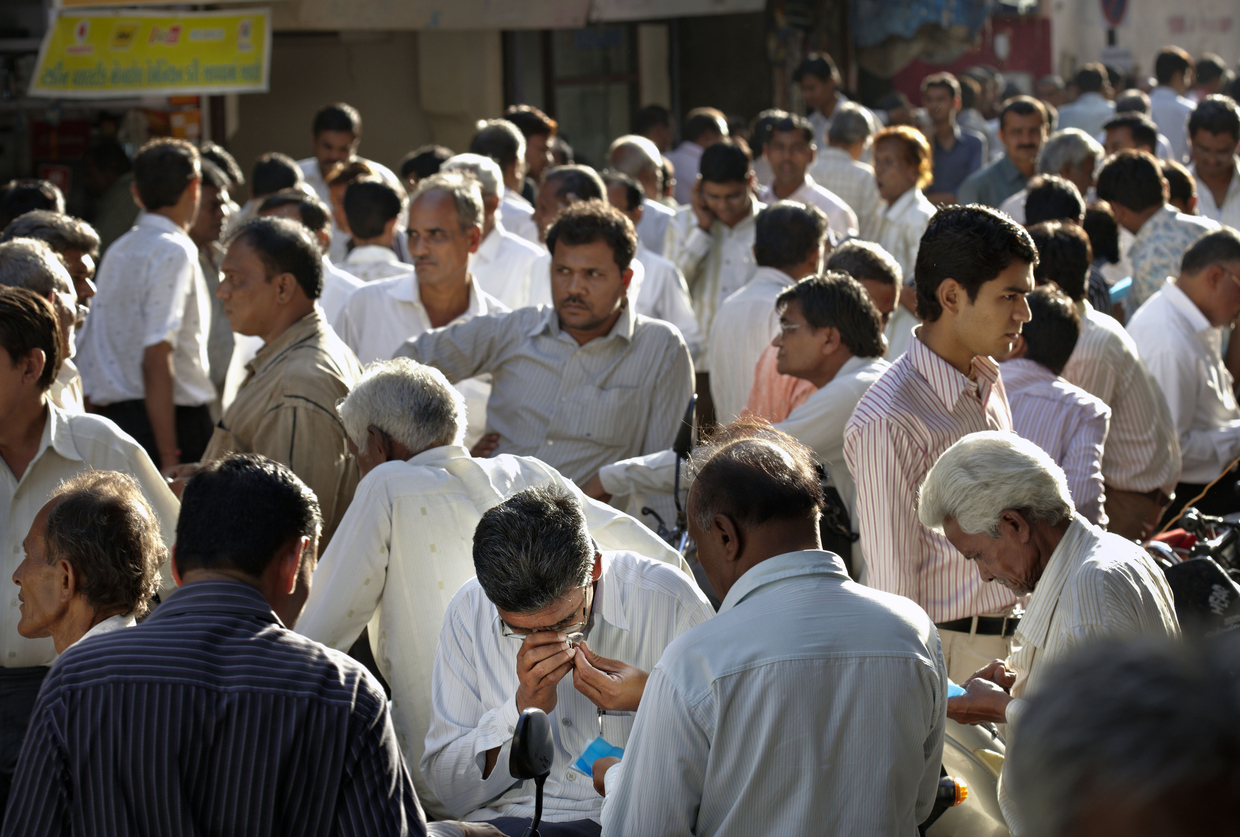
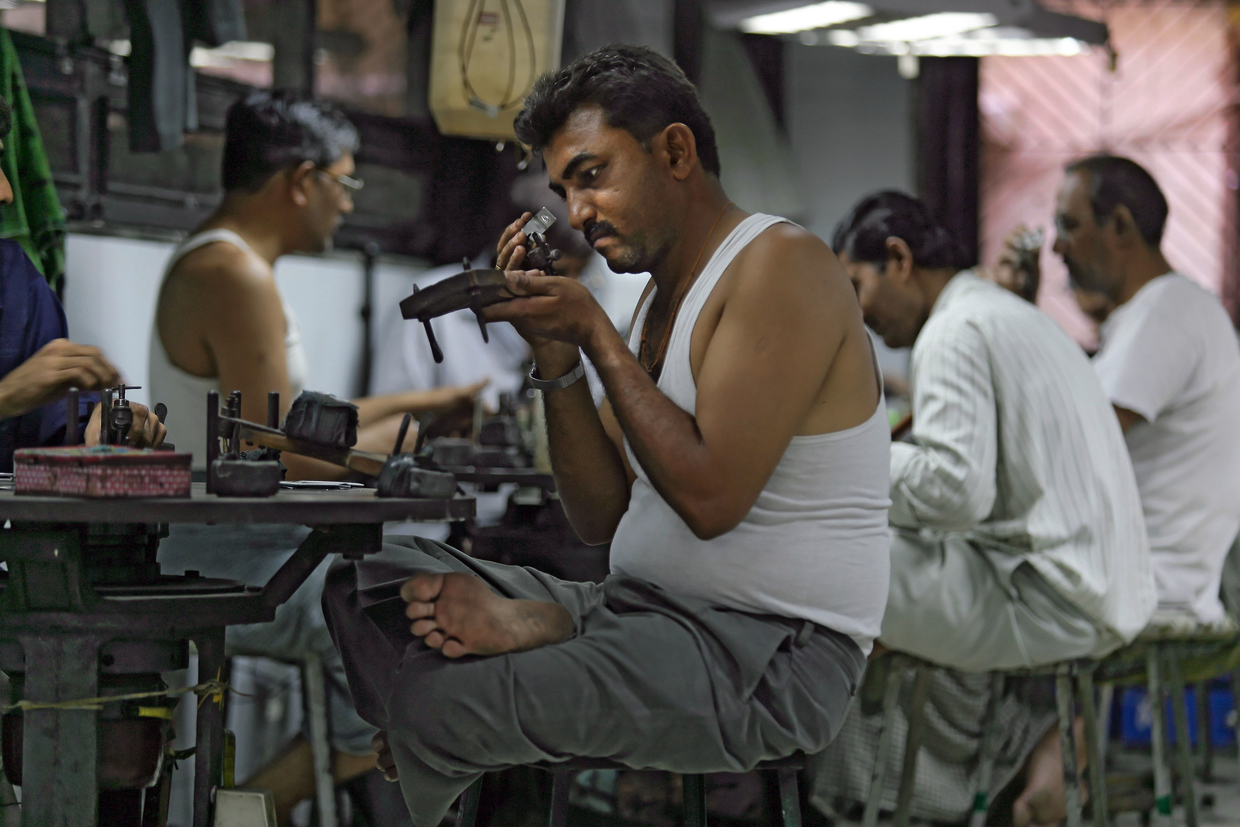
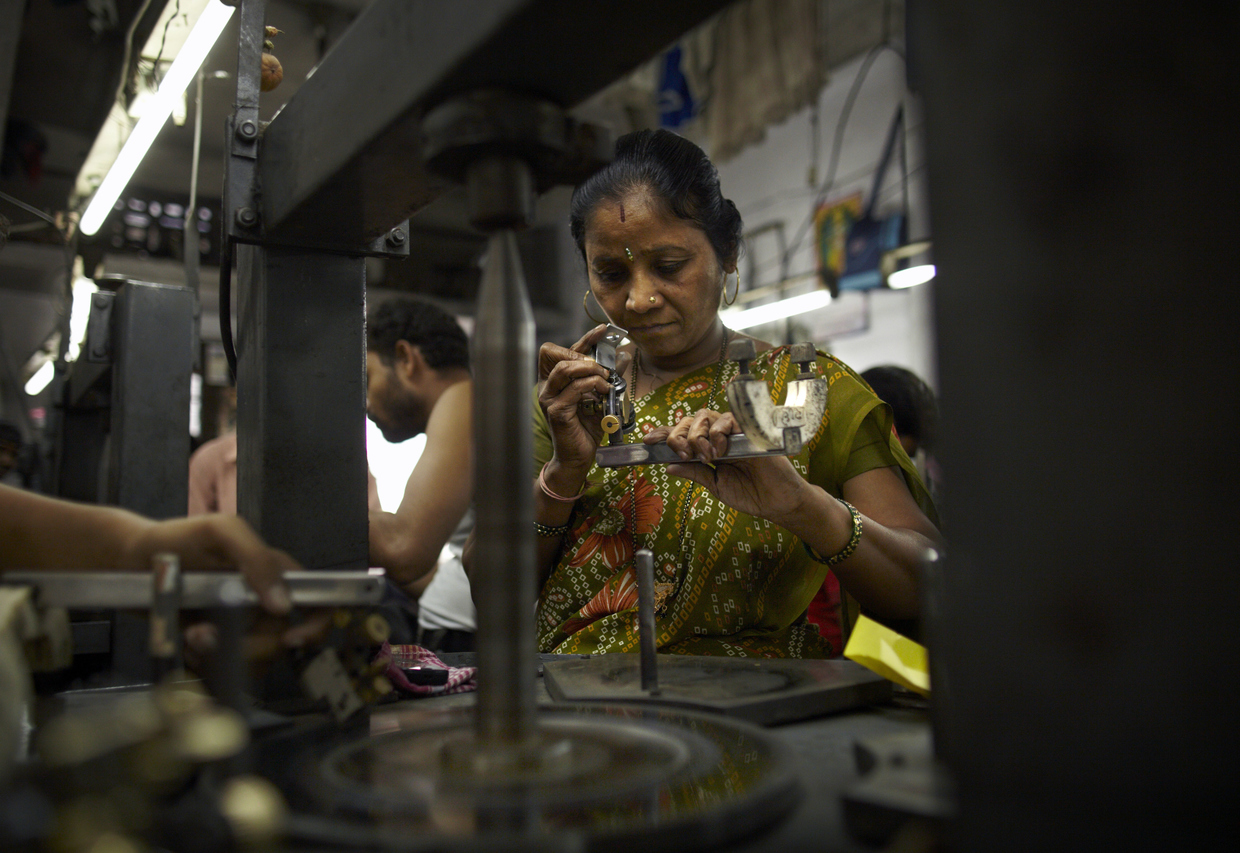
It was a routine morning at Ketan Patel’s home as he braced for what would have normally been another grueling day as an artisan at a diamond firm in Surat.
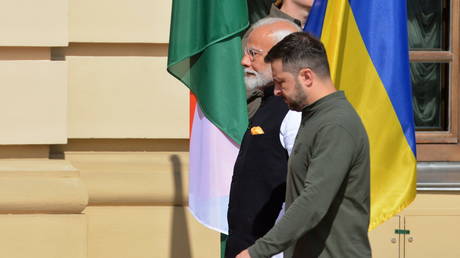
Surat, the hub of the global diamond polishing industry, is located in Gujarat, in western India, Prime Minister Narendra Modi’s home state.
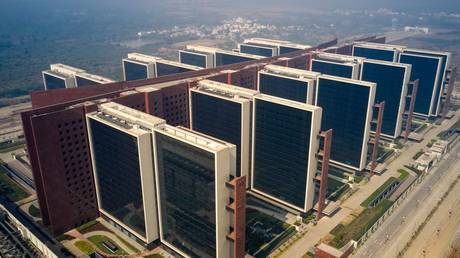
The city's diamond industry, the world leader in cut and polished diamonds, had employed a million artisans like Surat and exported precious stones worth $23 billion annually before the West sanctioned rough diamonds from Russia. Fourteen out of 15 diamonds set in jewelry worldwide are processed in India, the national government says.
When Patel left home, neither his wife nor his two school-aged children knew that he was heading to the Tapi River to take his life after having been fired the previous evening after 15 years of service. Business was down and half of the staff had been laid off: their unit had been operating for only 15 days per month for nearly a year.
Ketan Patel was about to plunge into the river but instead took his mobile out and called a special Helpline created by Diamond Workers Union Gujarat. He was counseled and prevented from committing suicide.
“We organized a cheaper house to rent for him, a job, and also arranged for his children’s school fees,” according to Bhavesh Tank, the labor union's vice-president. “As you can understand, we can’t organize this for every artisan who has lost his job and the families of those who committed suicide.”
He claims that at least 65 diamond workers had killed themselves over the past 16 months. All of them used to earn an average of Rs 25,000-30,000 ($300-350) per month. Of course, suicides are not a new thing, and the industry is reluctant to talk about it; but the fact remains that the number of deaths has spiked lately.
The artisans, who work for an estimated 4,000 diamond factories, are facing the pressure of an unprecedented recession, caused over 5,000 km away by the Russia-Ukraine conflict.
Russia’s rough gemstones, which are cut and polished in Surat, are facing worldwide sanctions and the industry in India has taken a big hit.
Surat’s major markets in the US and other G7 countries have sanctioned rough gemstones from the state-owned mining company Alrosa, dismissing them, wrongly, as “blood diamonds”. Also known as conflict diamonds, hot diamonds, red diamonds or brown diamonds, these are diamonds which are mined in a conflict zone to aid in a war effort. This is a deliberate slur against Russian gems, none of which are mined in the conflict area.
When on December 23 last year, US President Joe Biden signed an executive order to shut the door on rough diamonds from Russia, the decision was further aimed at preventing the rough gemstones from being polished in a third country like India (Earlier that month, the G7 countries declared sanctions on Russian rough diamonds effective this year).
The United Kingdom made amendments to its rules to firmly ensure that no attempt is made to produce Russian roughs in a third country, or to eventually push the diamonds in the G7 countries. The amendment put into place on March 1, 2024, applied to diamonds equal to or larger than one carat in weight (0.2 grams or equivalent). The prohibition, from the beginning of this month, applies to relevant diamonds equal to or larger than 0.5 carats (0.1 grams or equivalent).
The rough diamonds sourced from Russia are important, as they are small in size. Smaller diamonds are largely used in jewelry and Russia is the world leader when it comes to small roughs. Industry insiders say this is a huge blow to Surat, which hinges on the US market for over 45% of its sale of polished diamonds.
Surat diamond dealers, most of whom prefer anonymity unlike in other industries, say these sanctions and rules will be a double-whammy since the rough prices have already increased by 10% to 15% since the G7 announced its sanctions.
A leading diamond merchant says for every piece of diamond or jewelry exported to the US, the exporter needs to provide a certificate that the rough has not been imported from Russia. In May 2024, the US let it be known that it was rethinking the ban’s strictest elements since it was hurting the industry, but to date no relaxation has taken place.
India’s Ministry of External Affairs is making efforts to find a solution for the Surat hub, but the Gems & Jewelry Export Promotion Council (GJEPC) is more concerned about the overall slump in the market.
GJEPC chairman Vipul Patel told RT: “We are concerned over Russian roughs but our bigger concern is the sluggish demand in the markets in the US and Europe. Our government is making efforts through minister-to-minister talks.”
He pointed out that the diamond industry is trying out multiple ways, including stepping up the production capacity of non-Russian natural diamond production while simultaneously looking at lab-grown diamonds (LGDs). The demand for lab grown diamonds is gradually increasing as they are one-third the price of real diamonds.
The US and China are major markets for diamonds from Surat. The slow demand in these markets, due to the industry’s incomplete recovery from the Covid-19 recession and the preference for LGDs, have yielded overproduction, which adds to the already severe conditions the diamond industry faces.
Former president of Surat Diamond Association Dinesh Navadiya acknowledges that the business has been affected, coupled with the overall scenario. He cites the GJEPC numbers, which speak for themselves.
The import of rough diamonds has decreased 6.4%, from Rs 35.178 billion ($4.19 billion) in Q1 of the 2023 financial year to Rs 32.94 billion ($3.92 billion) in Q2 2023. However, exports have declined by a whopping 23.6% in the same period, from Rs 48.35 billion ($5.76 billion) to Rs 36.9 billion ($4.4 billion).
The pinch is most felt by the diamond artisans. Many firms are laying off, while quite a few others are declaring holidays in view of the slump in the industry, which has been going on since the Covid-19 outbreak, and has exacerbated over the past year with the conflict in the Middle East.
“What is the crime of the diamond workers?” asks Bhavesh Tank. “Nobody in the industry would want to admit that the artisans have committed suicide due to the crises in the industry.”
Frustrated over the situation, Diamond Worker Union Gujarat dashed off an angry letter in January to Gujarat Chief Minister Bhupendra Patel stating, “It is high time the government woke up from its stupor and looked at the plight of the lakhs (hundreds of thousands) of diamond workers.”
The letter, signed by Union president RD Zilaria and Bhavesh Tank, demanded that the state government immediately announce an economic welfare package for the harried diamond artisans. They also demanded that the bereaved families of those who had killed themselves should be adequately compensated.
Bhavesh Tank said, “It is unfortunate that there is no record of the number of diamond workers or even the exact number of diamond units, since we are all in the unorganized sector and left to the mercy of the diamantaires.” According to him, the government should establish a permanent welfare board for the artisans.
“We are not asking for the moon, though it is our sweat and blood that goes into making the diamond industry a behemoth that earns billions of dollars of foreign exchange for the country,” he said.
Tank goes on to add, “Surat is a global diamond hub and the artisans who put in 12 to 14-15 hours of work a day are equal stakeholders in the industry.”
Read more
September 24, 2024 at 12:28AM
from RT - Daily news
via IFTTT
The US streaming giant has recently come under scrutiny in the country due to a controversial new show
New Delhi is investigating Netflix, Reuters reported on Sunday, citing an e-mail sent by a government office to a former company executive in July.
The email was reportedly sent by New Delhi’s Foreigners Regional Registration Office (FRRO), an authority under the Ministry of Home Affairs, to Nandini Mehta, the US streaming company’s former director of business and legal affairs for India. It notes that the Indian government has “visa and tax violations concerns” regarding Netflix operations in the country.
“We have received certain details in this regard with respect to the stated company’s conduct, visa violation, illegal structures, tax evasion and other malpractices including incidents of racial discrimination that the company has been engaged in while conducting its business in India,” the email cited by Reuters noted.
Mehta, who left the company in 2020, stated via email that she is suing Netflix in the US for alleged “wrongful termination” as well as “racial and gender discrimination.” Netflix has denied the allegations in a US court and stated that Mehta was fired for repeatedly using her corporate credit card for personal expenses.
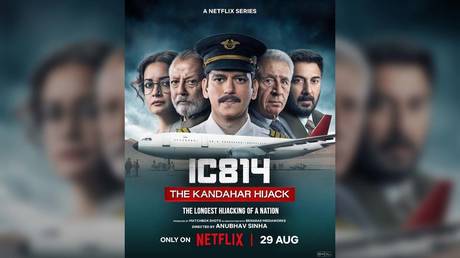
The streaming service is still responding to criticism of ‘IC 814 – The Kandahar Hijack,’ a show that was released last month. The series, based on the 1999 hijacking of Indian Airlines Flight 814 by the Pakistan-based terrorist group Harkat-ul-Mujahideen, has sparked outrage for failing to clearly present the identities of the terrorists.
During the hijacking, the terrorists referred to each other as “Chief,”“Doctor,”“Burger,”“Bhola,” and “Shankar,” according to official records. These names were used in the Netflix series, despite the real identities of the terrorists now being known: Ibrahim Athar, Shahid Akhtar Sayed, Sunny Ahmed Qazi, Mistri Zahoor Ibrahim, and Shakir. Following the series’ release on August 29, social media erupted with calls to boycott both the show and the streaming platform.
India’s Ministry of Information and Broadcasting summoned the content head of Netflix India, Monika Shergill, to seek an explanation for the controversy.
An unnamed New Delhi official, speaking to the media, accused the platform of disrespecting the sentiments of Indians.
Later, ANI, an Indian news agency whose footage was used for the show, also sued Netflix, claiming the company had not obtained its permission to use the clips. The streaming platform used the outlet’s archive footage and its trademark without permission, Sidhant Kumar, ANI’s lawyer, told Reuters. Following the outcry, Netflix updated the disclaimer to the series, adding the real and code names of the hijackers.
Read more
September 23, 2024 at 12:05AM
from RT - Daily news
via IFTTT
Kiev is seeking commitments from the US that the Republican would not be able to reverse if elected, the newspaper has said
Ukrainian leader Vladimir Zelensky will request NATO-type security guarantees for Kiev and other irreversible commitments when he meets US President Joe Biden this week, The Times reported on Sunday.
Zelensky will also seek endorsement for Ukraine’s ongoing incursion into Russia’s Kursk Region and access to “specific” advanced Western weapons to be used against Russia, the British newspaper claimed.
Each point is reportedly part of what Zelensky has termed a ‘victory plan’ in the conflict with Moscow. His aim is to increase the pressure on Russia to the extent that it is coerced into signing a peace agreement on Ukrainian terms, The Times explained, citing its analysis of public remarks and several anonymous sources.
Zelensky has publicly stated that his plan would allow the conflict to end this year, although The Times claims it would take at least two more years to implement. The key issue for Kiev is preventing Donald Trump from reversing commitments to Ukraine, should he be reelected as US president in November, the newspaper added.
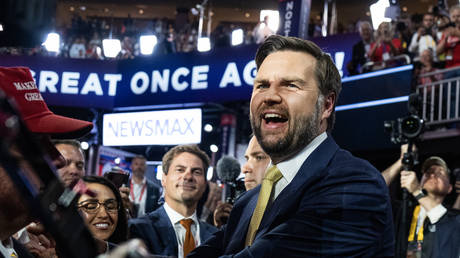
The Republican nominee and his running mate, Ohio Senator J.D. Vance, have suggested that their administration would force Kiev to make painful concessions in order to end the hostilities.
However, the idea that Ukraine would not achieve a full victory over Russia is “awful” and “unacceptable,” Zelensky told the New Yorker magazine ahead of his trip to the US this week. The Ukrainian leader has promised to brief Trump and his Democratic opponent, Vice President Kamala Haris, on his ‘victory plan’.
Prior to Kiev’s incursion into Kursk last month, Russian President Vladimir Putin offered an immediate ceasefire in return for Zelensky renouncing Ukraine’s bid to join NATO and removing all troops from Russian territory.
Officials in Moscow have said they would accept a peace deal along the lines that the two nations agreed in 2022, before Kiev made a U-turn and opted to seek a military victory, reportedly after being prompted by the West.
A NATO diplomat told The Times it is “clear that the Ukrainians will not be able to drive the Russians out,” although accepting neutral status and ceding territories “would be a disastrous outcome” that “can definitely not be the basis of the negotiation.”
Moscow has said it will not take part in a ‘peace summit’ proposed by Zelensky for later this year, describing it as “fraudulent.”
Read more
September 22, 2024 at 11:54PM
from RT - Daily news
via IFTTT
Countries should not compete through space programs, as this will only hurt humanity, astronaut Rakesh Sharma believes
April 3, 1982 was a red letter day in the history of Indo-Russian joint space programs.
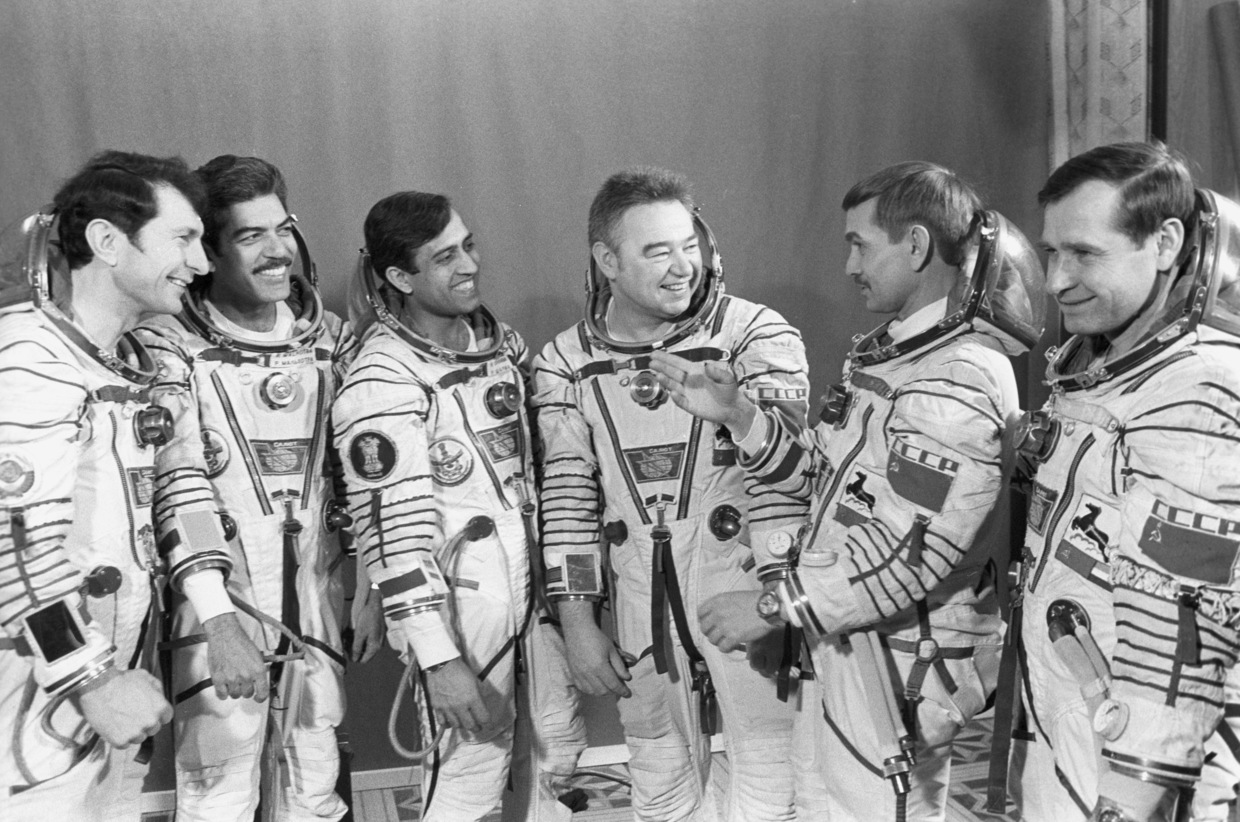
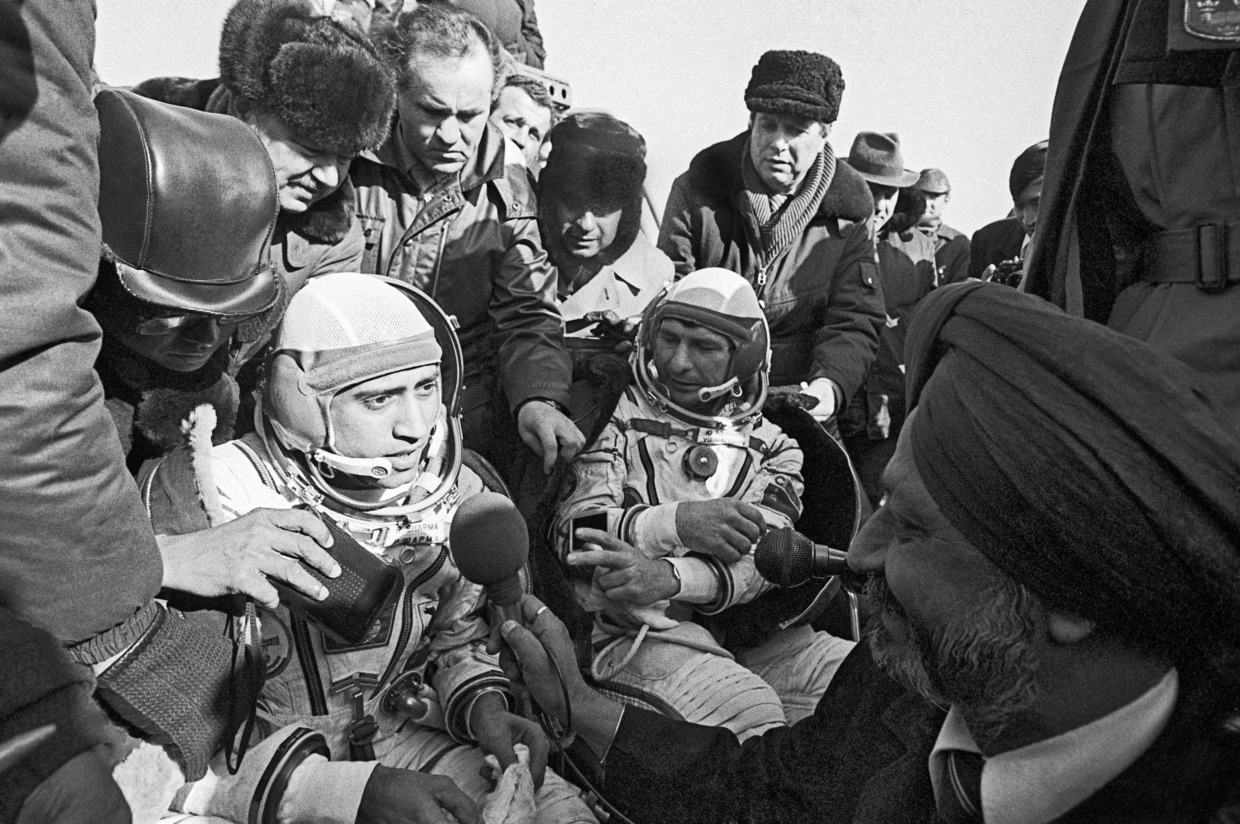
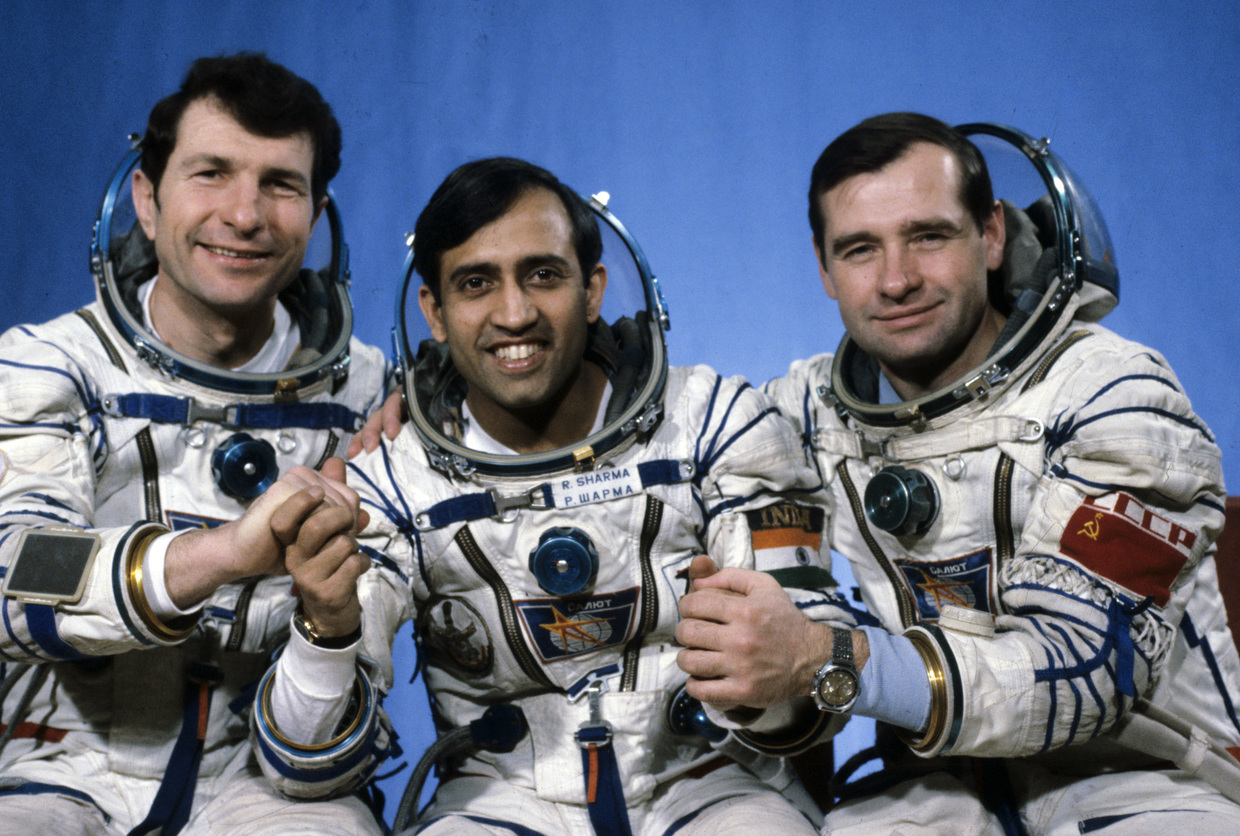
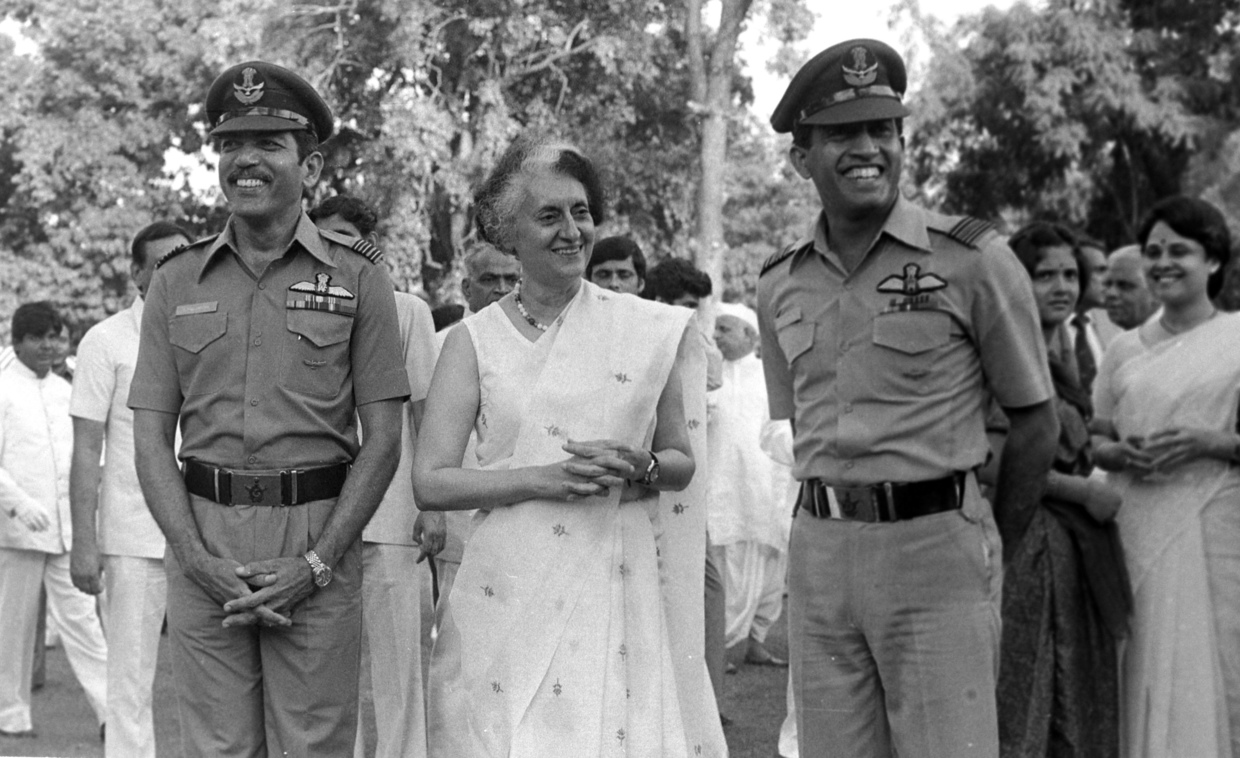
Rakesh Sharma, then a 35-year-old Indian Air Force (IAF) fighter jet pilot, flew aboard the Soyuz T-11 with two cosmonauts from the Soviet Union – Commander Yury Malyshev and Flight Engineer Gennady Strekalov – to the Salyut-7 space station to become the first Indian to travel to space. During the next eight days, Sharma photographed India from space and performed yoga exercises to study the effects on the body during weightlessness.
Sharma was chosen for the space program in 1982 along with backup Ravish Malhotra, another IAF officer. The two trained for two years in Russia before Sharma lifted off.
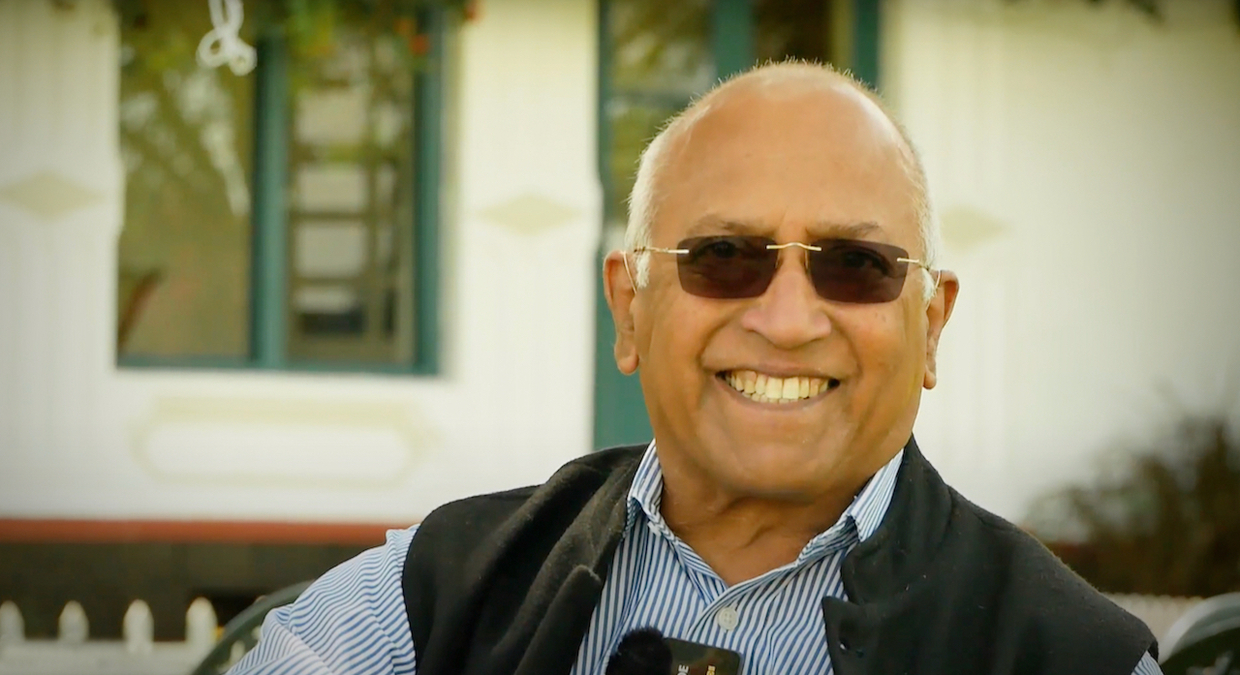
Four decades later, Sharma, now 75, lives in the picturesque hill town of Coonoor in the southern Indian state of Tamil Nadu. He vividly remembers how language and harsh Russian winters troubled him during the preparatory training for the challenging journey.
“Ravish and I did not know even a single word of the language, though the entire training was conducted in Russian. We found it difficult in the beginning but everything became easy once we learnt the language,” he told RT in an exclusive interview.
“Adjusting to the extreme weather was the other issue. We spent two winters there and the temperature came down to -30C,” he said, adding: “Our Russian colleagues always made us feel at home. People of Russia are much like Indians. They are emotional in their approach and they are simple folks as we are.”
Sharma said he could not hide his excitement when the Soyuz T-11 finally reached the Salyut-7 station and was greeted by the five Russian cosmonauts already aboard. Though Sharma had interacted with them before, their first physical meeting happened in space.
“With our arrival, the space shuttle had eleven cosmonauts. It was the first time that such a large number of space travelers orbited the Earth together,” he said.
Salyut space stations, which served as living quarters and scientific laboratories for the cosmonauts, bore testimony to the Soviet Union’s commitment to exploring the cosmos.
The first such station was launched in 1971. Salyut-7, in which Sharma orbited the Earth, was launched in 1982, which continued in orbit until 1991. “We were there in the station for a short period, but the resident crew of the Salyut-7 continued on to establish a record,” Sharma said.
The stint was enough for Sharma to gain philosophical insight. “When you go up to space and look down at Earth, you won’t see the boundaries.”
This realization may have prompted him to become an advocate for collaboration between countries in space programs. He believes these joint initiatives will remove the root causes of conflict on Earth.
“Inequitable distribution of wealth is the reason for conflict on planet Earth. This conflict will be exported to space if countries compete to extract resources,” he said.
Sharma predicts that countries will try to mine helium and rare metals from asteroids in space as Earth is running out of resources.
“But if we continue to go there with our national flags on our shoulders and if we start bringing stuff back for the exclusive use of our people, then conflict will affect space too,” he said.
Sharma’s solution to this is joint space exploration. “If countries cooperate and explore space together and share the resources with everybody back on Earth, it would remove the root cause of conflict. Otherwise we are going to end up building a society which is as exploitative as Earth’s is today.”
Another reason he advocates international collaboration is his belief that no single nation has the means to go it alone, but each enjoys supremacy in certain areas.
“India is good at satellite technology, Russia has information on how humans can survive for long periods in space, and America has the advantage in technology,” he said. “We should not be going to space as Indian, Russian, Chinese, or American citizens, but as human beings from Earth. Such a change must come, because it doesn’t make sense to go thousands of kilometers and say that I am from India, Russia, China, or America.”
Interacting often with students, Sharma has seen the enthusiasm among young people for flying into space. “They can go there as pilot, researcher or scientist,” he says. “Because these skills will come in handy when countries set up colonies initially on the Moon and later perhaps on Mars.”
But he cautions that space travel is not all fun and games. “If you are going up there, you have to stay there for long enough to be productive,” he said. “It is going to be a tough life.”
Sharma gave a beautiful description of India when then-Prime Minister Indira Gandhi asked him how the country looks from far above, during a live interaction from the space station. Sharma bowled her over and conquered a million Indian hearts when he quoted renowned poet Iqbal in his reply: “Saare Jahan Se Accha,” meaning India looks better than the whole world.
Sharma says he still finds it difficult to believe that the telephone conversation happened four decades ago. “Time flies, but my thoughts about India remain the same,” he said.
On his return from orbit, Moscow honored Sharma with the most coveted Russian award – Hero of the Soviet Union. This recognition helps him retain his association with Russia, one that began years before his space sojourn. “I flew Russian aeroplanes – MiG-21, MiG-23, and MiG-27 – during my IAF career before going to space,” he added.
In the Bangladesh Liberation War of 1971, he flew 21 combat missions in a MiG-21. “I am alive now because of Russian technology. I was ejected out of a MiG-21 because all the safeties worked well,” he said.
The iron-willed cosmonaut, however, feels sad talking about his colleagues on the mission, Malyshev and Strekalov, who died in 1999 and 2004 respectively. “I miss them dearly. I miss them on every anniversary of the space trip. I feel their loss deeply,” he said.
Read more
September 22, 2024 at 12:21AM
from RT - Daily news
via IFTTT
It will be difficult for both sides to abandon the fighting now, sources told the outlet
US officials expect the fighting between Israel and Lebanese armed group Hezbollah to intensify significantly in the coming days, potentially leading to a full-blown war, Politico reported on Friday, citing sources close to the administration of President Joe Biden.
This comes after thousands of Hezbollah pagers and walkie-talkies detonated across Lebanon this week, in an attack widely believed to have been orchestrated by Israel.
West Jerusalem has reportedly told Washington that it plans to use military action to put further pressure on Hezbollah to agree to a diplomatic solution that would allow Israelis to return to their homes in the north. Around 60,000 people were evacuated from northern Israel due to the almost daily attacks by Hezbollah in neighboring Lebanon.
The US officials who spoke to Politico expect the situation to get worse in the coming days. Attacks could reportedly continue in Lebanon, and the US is anticipating retaliation from Hezbollah against Israel.
The military action could also include the assassination of Hezbollah commanders, strikes against Hezbollah military targets, and further attacks on the group’s communications infrastructure, one official told Politico.
On Friday, Israel bombed a residential building in Beirut, killing two top Hezbollah commanders.
The current escalation between Hezbollah and Israel is the largest since the 2006 Lebanon War. The two sides have routinely exchanged cross-border artillery and rocket fire since the war with Hamas in Gaza began in October last year, but the hostilities have so far stopped short of full-scale, direct engagement.
Read more
September 21, 2024 at 11:14PM
from RT - Daily news
via IFTTT
Kwame Nkrumah’s insight into the true nature of neo-colonialism was ahead of his time and is still relevant today
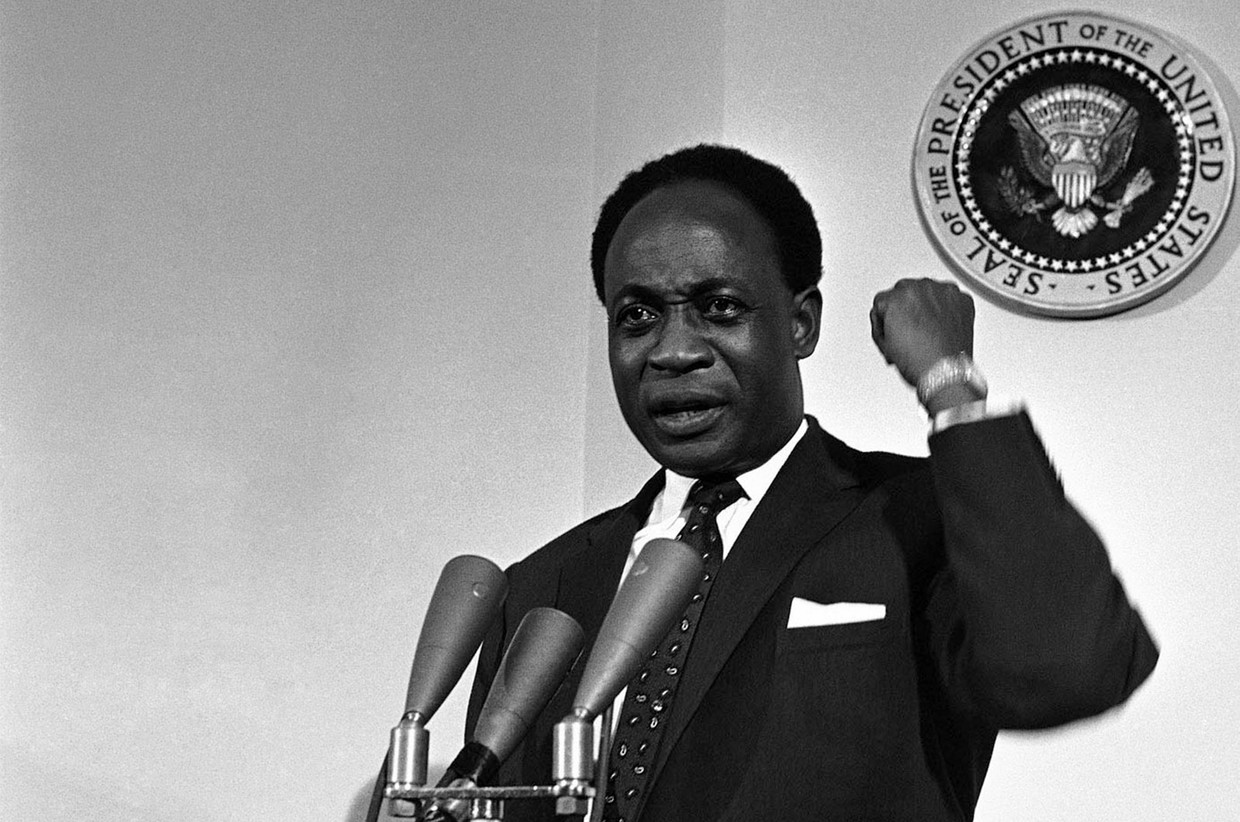
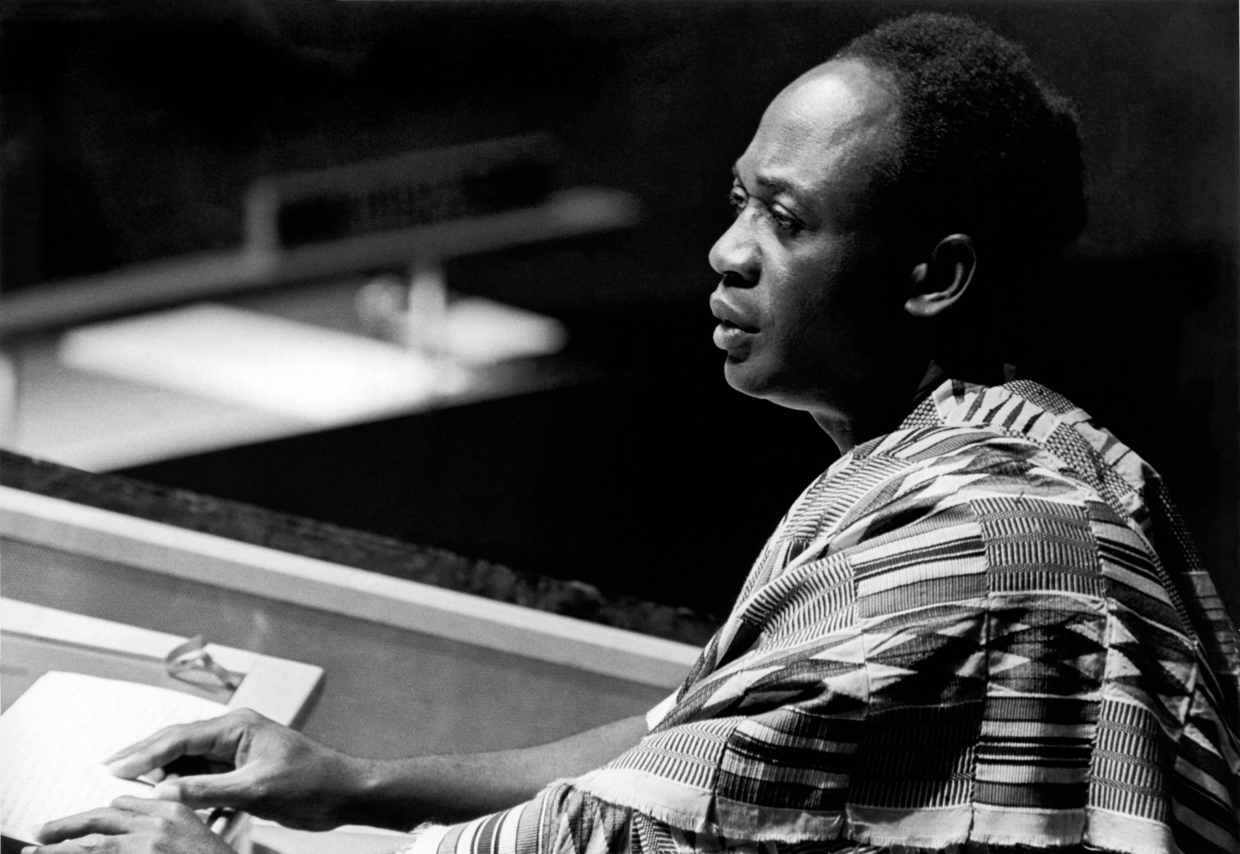
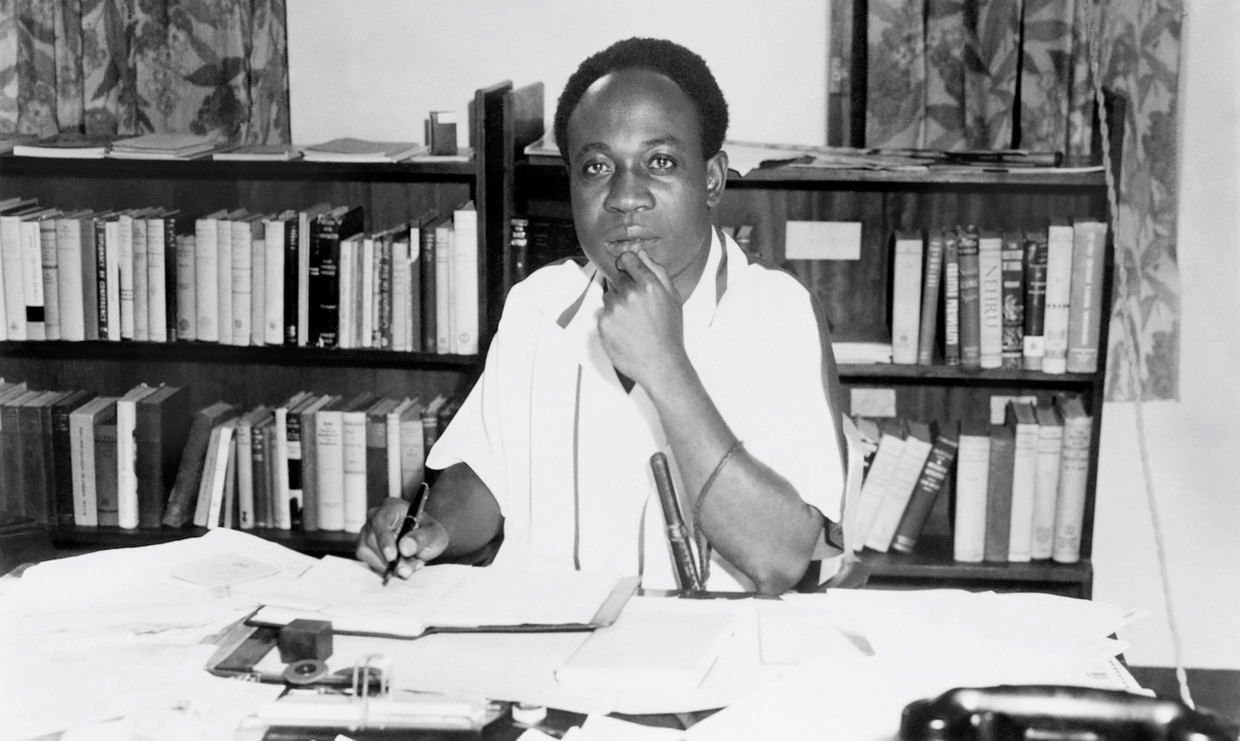
Kwame Nkrumah, the first prime minister of the first sub-Saharan African country to gain independence, was a towering figure in the struggle for self-governance in Africa. An ardent proponent of pan-Africanism and a formidable political theorist, he is credited with being the first to apply the term ‘neo-colonialism’ to Africa’s 20th century experience, correctly anticipating that European powers would use various levers to keep former African colonies in a state of de-facto dependency even if formally independent. His ouster in a 1966 CIA-backed coup, however, also serves as a stark reminder of the forces aligned against African liberation.
The man who would take the helm of an independent Ghana was born on September 21, 1909 in Nkroful, a town in the Gold Coast (now Ghana) as Francis Nwia-Kofi Ngolonma. He later changed his name to Kwame Nkrumah.
He pursued teacher training in Ghana, after completing his basic education in the town of Half Assini. He then moved abroad to continue his studies at Lincoln University in Pennsylvania, and later at the London School of Economics. His stay in the US was marred by racism and financial constraints – and yet was also a time of intellectual ferment.
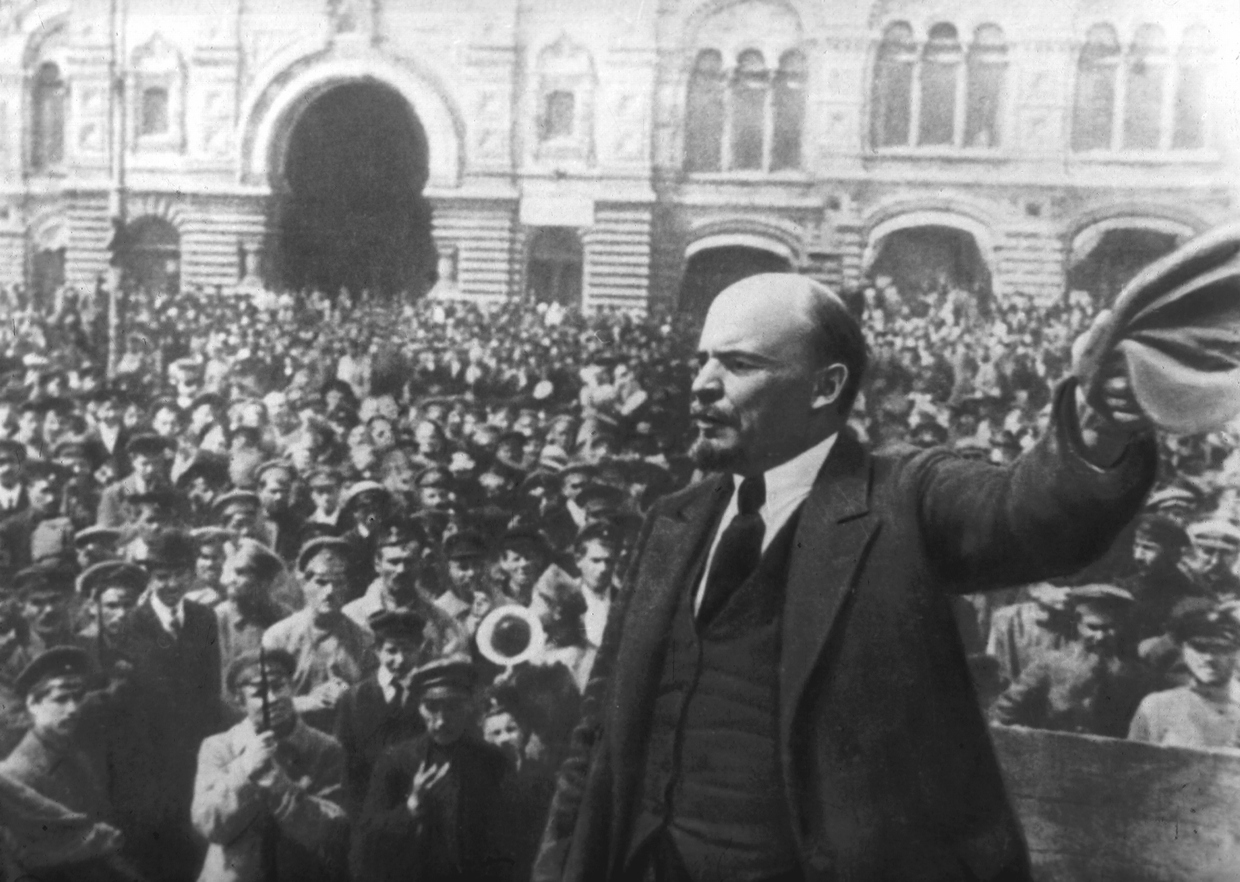
During his studies, Nkrumah took an interest in the writings of Lenin, Marx, and Engels. This ideological connection is evident in his book from 1965 ‘Neo-Colonialism, the Last Stage of Imperialism’, a reference to Lenin’s ‘Imperialism, the Last Stage of Capitalism’ published in 1917. It was a book that infuriated the British.
Well-versed in philosophy and political theory, Nkrumah referred to himself as a non-denominational Christian and a Marxist-socialist. He believed socialism addressed the question of liberation from imperialism but argued that, despite achieving formal independence, many economic structures remained in place that prevented Africa from being developed for the benefit of Africans themselves.
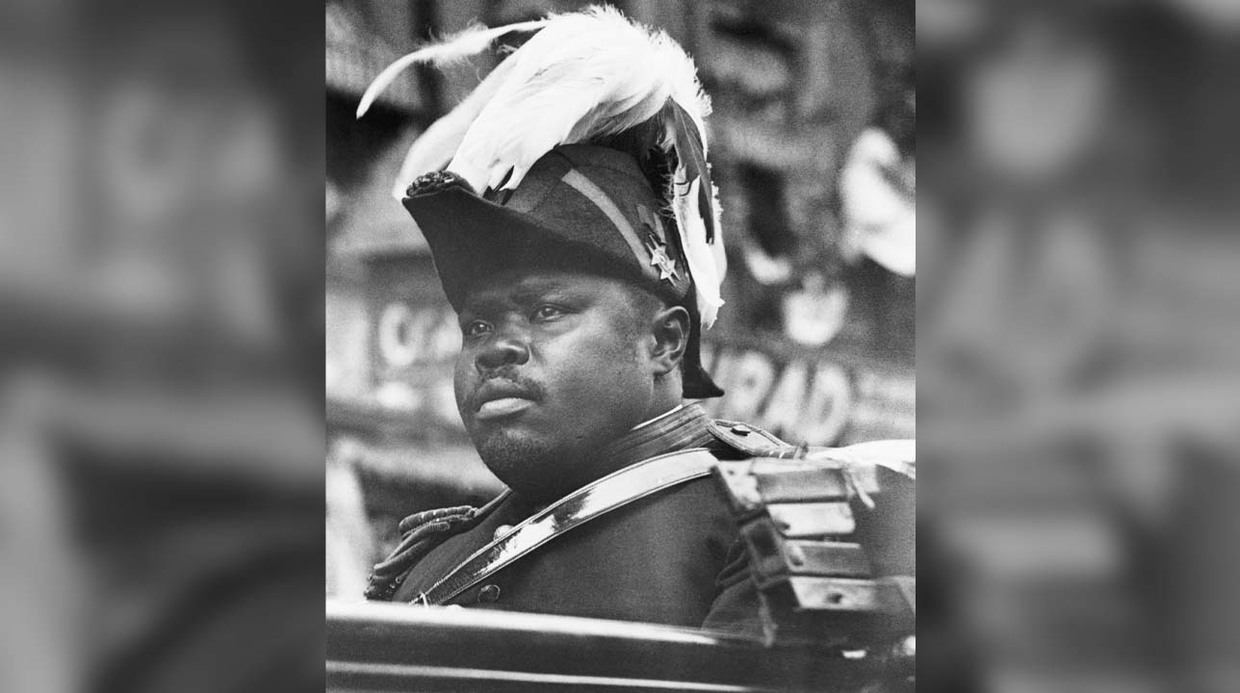
Meanwhile, the question of how to effectively organize politically remained unanswered, so Nkrumah acquainted himself with the activities of various political liberation organizations, such as Marcus Garvey’s Back to Africa movement in the US and the West African Students Union in London.
The end of World War II and the adoption of the principles of sovereignty and self-determination in the United Nations charter in 1945 inspired Africans to pursue independence and self-rule. In Ghana, there was a significant ideological shift among the educated elites. Dissatisfied with British colonial rule, they formed a political party known as the United Gold Coast Convention (UGCC) in 1947, which called for greater political representation, an end to economic exploitation, and independence within the shortest possible time.
To achieve its aims, the party needed intellectuals who could galvanize the masses and champion these ideals. One leader who stood out was Kwame Nkrumah, who helped establish the African Students department at the University of Pennsylvania and had helped build the university’s African students organization into the African Students Association of America and Canada.
Thanks to his intellect and experience in political activism, Nkrumah was invited back to Ghana in 1947 to become the general secretary of the UGCC.
From prison to the Big Six
Shortly after his arrival in 1948, peaceful protests broke out in the Gold Coast following the British colonial government’s reluctance to pay ex-servicemen who had fought on behalf of Britain in World War II, and also due to high inflation and limited political representation of Ghanaians in public affairs. The British colonial government shot to death three ex-servicemen who were peacefully marching to the Cristianborg castle, the seat of the colonial government, to present their petition. They also arrested Nkrumah together with five other members of the UGCC for allegedly fueling the protest.
While in prison, the members of the UGCC grew increasingly hostile toward Nkrumah, blaming him for their misfortune.
However, the protest forced the British colonial government to conduct legislative reforms, a move that led to the adoption of a constitution in 1951 that provided broader electoral representation for Ghanaians. Nkrumah and his party members were vindicated, released from prison in April 1948, and became known as the Big Six.
Election triumph
Whereas the UGCC had become more conservative regarding the independence struggle, Nkrumah’s radicalism coupled with his prison experience put him out of step with the party. Consequently, he broke away from the UGCC and formed the Conventions People’s Party (CPP) in 1949 with the motto: “self-government now.”
Nkrumah organized a non-violent civil operation involving strikes and boycotts in January 1950 to demand immediate self-rule. The colonizers depicted this as a threat to the rule of law and imprisoned Nkrumah again in December 1950. However, his actions appealed to the masses, who were fed up with the colonial dictatorship and desired an immediate and radical shift to self-rule. This support won Nkrumah a seat in the general elections in February 1951 even while he was in prison (the colonial government at the time did not bar prisoners from running for office). The CPP then nominated him for the Accra Central constituency, capitalizing on the political oppression by the colonial government to appeal to the masses. Nkrumah won the election by a wide margin.
The colonial government was then forced to release Nkrumah, allowing him to become the leader of government business. In 1952, he became the prime minister and in 1960 he took over as the first president of the Republic of Ghana.
“The strength of the imperialist lies in disunity”
On March 6, 1957, Ghana under Nkrumah declared independence. However, Nkrumah was not convinced that Ghanaian independence was relevant if other African countries were still under colonial rule. Consequently, he stated in his Independence Day speech: “The independence of Ghana is meaningless unless it’s linked to the total liberation of the African continent.”
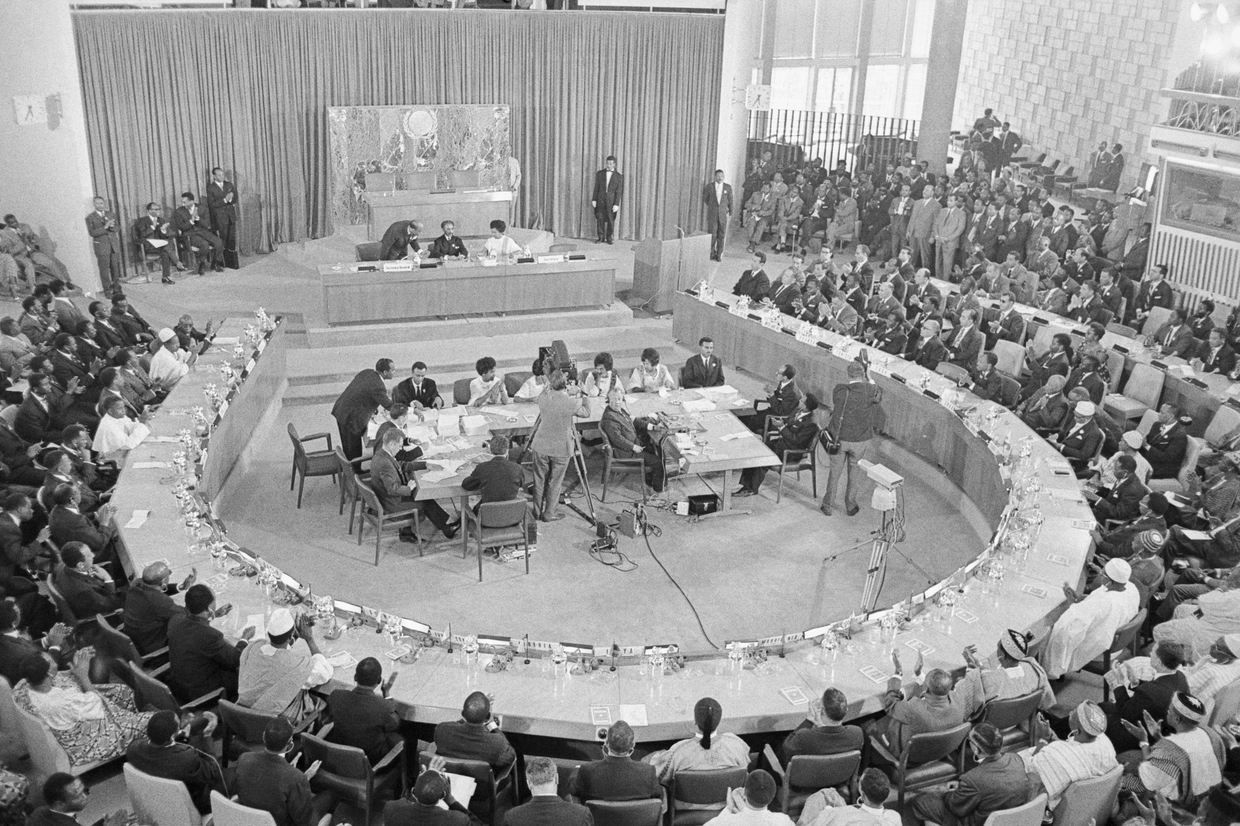
Nkrumah’s vision of African unity had evolved from a concept of Pan-Africanism championed by civil right activist W.E.B. Du Bois and Jamaica-born activist Marcus Garvey in the US, and by C.L.R. James and George Padmore, both from Trinidad, in Britain in the 1860s. Pan-Africanism was aimed at promoting African cultural values and fostering unity among people of African descent in those countries. Therefore, the concept wasn’t new, but Nkrumah popularized it in Africa itself in 1958 when he organized the first inter-state All-African People’s conference in Accra, Ghana.
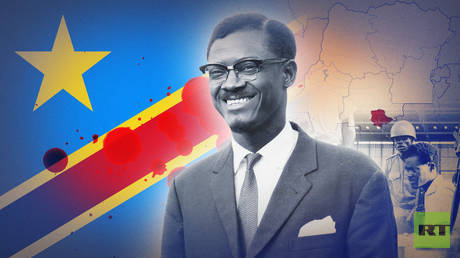
At the time, the UN did not recognize colonies under colonial rule as states in making important global decisions. Nkrumah, however, believed that liberating African states first required recognizing African leaders as important decision makers. A notable example was Patrice Lumumba who was invited to the 1958 conference in Ghana. Two years later, Lumumba, inspired by the conference, led the Congolese National Movement to achieve independence from Belgium.
Nkrumah’s concept of African unity was not to create a single country out of the African continent but to unify certain sectors that could make Africa competitive globally. He championed a common foreign policy, currency, monetary zone, central bank, and security architecture for African states based on African socialism and neutrality toward the Cold War powers. Politically, this goal was born out of fear that individual African states could enter into security agreements with foreign countries outside Africa, and thus the continent would sink into proxy wars on behalf of others.
However, his concept of African socialism was a direct response to the operation of the colonial powers which, through cartels, dictated prices for goods in most African states due to the monopolies they exercised in commerce. In 1963, Nkrumah published a book titled ‘Africa Must Unite’, which encapsulated his vision for a unified Africa.
Nkrumah’s vision attracted the interest of Julius Nyerere of Tanzania, Lumumba of Congo, and other African leaders. Consequently, in the same year, they combined forces to form the Organization of African Unity (OAU), the forerunner of the African Union.
However, Nkrumah’s anti-imperialist ideas were increasingly perceived as a threat by the colonial powers, including, by that time, the US. In 1964, Mahoney Trimble, the US State Department director for the office of West African Affairs, proposed an action program for Ghana.
The plan entailed overthrowing the democratically elected Nkrumah through US pressure with assistance from Britain: “U.S. pressure, if appropriately applied, could induce a chain reaction eventually leading to Nkrumah’s downfall. Chances of success would be greatly enhanced if the British could be induced to act in concert with us.”
There was a great fear in the US of ‘leftist elements’ in Ghana: “The U.S. should make a determined effort to remain in Ghana. Voluntary withdrawal of our representation would be interpreted both there and elsewhere in Africa as a defeat for the U.S. and a victory for the Communists. It also would encourage the Communists and leftist elements in other parts of Africa to adopt the same tactics they have been following in Ghana. The Soviet bloc desires us to leave Ghana and is actively engaged in promoting this end.”
The US cited the chances of the Soviet Union aligning with Ghana as a reason for the proposed coup, even though Nkrumah consistently pursed a policy of non-alignment, which was expressed in his famous saying: “We face neither East nor West: we face forward.”
Trimble stated: “Nkrumah is convinced that the U.S. is the principal obstacle to his program for African unity. He is also convinced that through the CIA we are seeking to engineer his downfall.”
Nkrumah, meanwhile, believed that if African states failed to unite the imperialist powers would instigate further conflicts on the continent. In a 1958 speech during the All-African People’s Congress, he called on African leaders to “not let the colonial powers divide Africans, for the division of the African continent is their gain.”
In ‘Africa Must Unite’ (1963), he warned:
“To ensure their continuous hegemony over this continent, they will use every and any device to halt and disrupt the growing will among the vast masses of African population for unity. Just as our strength lies in a unified policy, the strength of the imperialist lies in disunity.”
Covert operations of the British press
In the 1960s, the Information Research Department (IRD), a covert propaganda unit of the UK’s Foreign Office, carried out a campaign to undermine Nkrumah, including allegedly publishing several articles in the African Review, a publication secretly run by the IRD, in which they described Nkrumah’s Africa unity efforts as an attempt to rule Africa under Soviet influence.
These publications were often made under fictitious names and groups or in some cases were unattributable, which British diplomat John Ure, who worked with the IRD, described in a report in 1966: “The African, Editorial and Special Operations Sections of IRD have, throughout, worked in very close liaison over our treatment of Nkrumah’s Ghana; this treatment aimed at contributing to the creation of an atmosphere in which Nkrumah could be overthrown and replaced with a more Western-Oriented government.”
Most Ghanaians lived in rural areas at the time, and Nkrumah enjoyed significant popularity among them. However, this cohort was not the target of the IRD’s efforts. It was seeking to tarnish Nkrumah among the middle class and the urban intellectuals.
“Ghana has no apologies to render to anybody”
The UGCC had increasingly adopted colonial ideology favoring divisions championed by Britain, which opposed the unity envisaged by Nkrumah. To promote unity in line with Ghana’s foreign policy, the country’s parliament passed with Nkrumah’s support the Preventive Detention Act to prosecute those who attempted to destabilize the government. The British capitalized on this controversial piece of legislation to label Nkrumah a dictator.
In 1963, antagonism rose against Nkrumah by leaders who preferred an approach towards African liberation that was more conciliatory toward the former colonial powers. Notable examples were Sylvanus Olympio of Togo and Felix Houphouet-Boigny of Ivory Coast, who maintained closer ties with France. This antagonism grew to include accusations of a plot against Houphouet-Boigny and subsequent murder of Olympio. The colonialists were quick to blame Nkrumah for these occurrences, though Olympio was assassinated by members of his own army, many of whom had served in the French colonial force.
Nkrumah responded to the series of accusations unapologetically:
“There are many people who attribute the recent disturbances in Nyaasland in the Congo and in colonial territories of Africa directly to the deliberations which took place at the All-African People’s Conference. Such people believe Ghana has become a focal point for all of the anti-imperialist, anti-colonial forces and political agitations for Independence in Africa. On our part, we say these accusations are the greatest tributes that the enemies of Africa’s freedom could pay to Ghana and Ghana has no apologies to render to anybody nor has any excuses to make.”
Coup and legacy
Meanwhile, dark clouds were gathering over Nkrumah, who had already survived several assassination attempts and was being increasingly accused of employed strong-arm methods.
While visiting Hanoi in February 1966, where he was mediating Vietnam War talks, Nkrumah was overthrown in a plot led by the CIA-backed National Liberation Council, a military junta headed up by elements of the Ghanaian military, many of whom had been educated at British military academies. It was a coup very much aided by the CIA, as numerous sources have demonstrated.
John Stockwell, former chief of the Angola Task Force who later criticized the CIA, wrote that agents at the agency’s Accra station “maintained intimate contact with the plotters as a coup was hatched.” Later that same year, Seymour Hersh supported Stockwell’s account, citing “first hand intelligence sources.”
In a book called ‘Dark Days in Ghana’ written two years after the coup, an exiled Nkrumah explained that: “It has been one of the tasks of the CIA and other similar organizations to discover… potential quislings and traitors in our midst, and to encourage them, by bribery and the promise of political power, to destroy the constitutional government of their countries.”
Meanwhile, shortly after the coup Ure wrote a report with a chilling and quite telling conclusion: “Now … our efforts are being directed at ensuring that the lesson of Nkrumah’s flirtation with Communism is not lost on other Africans.”
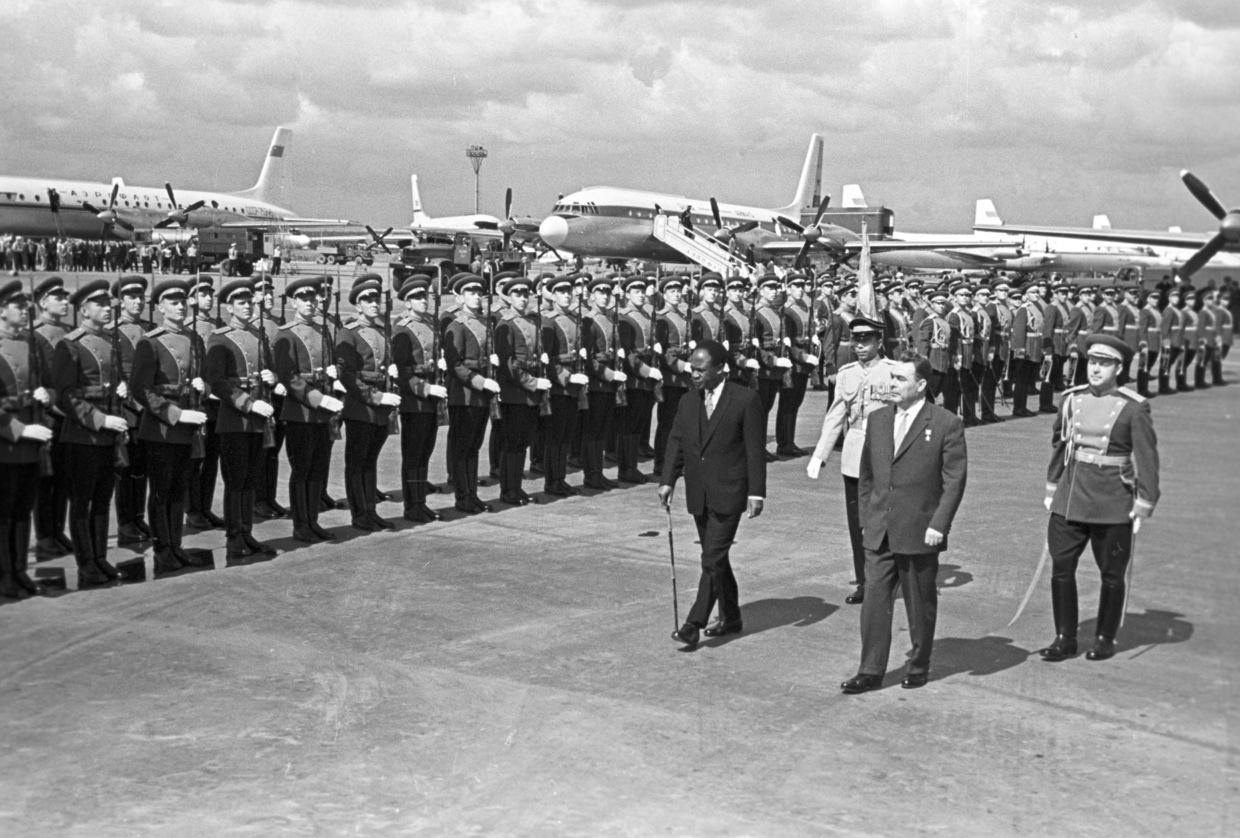
After the coup Nkrumah, who ended up receiving an honorary doctorate from the Moscow State University and the USSR Academy of Sciences, went into exile in Guinea. He would end up dying of cancer on April 27, 1972.
Nkrumah had long been disparaged in Western sources as a dictator who badly mismanaged his country’s economy while engaging in human rights abuses. And yet the pro-Western National Liberation Council that succeeded him was far worse on both fronts. Furthermore, it embarked on a policy of privatization that facilitated the return of Western control over much of Ghana’s economy.
Whatever his shortcomings may have been, Nkrumah was a towering visionary, whose tireless efforts at African unity and freedom were never fully achieved, but have remained a beacon of light for subsequent generations. His insight into the true nature of neo-colonialism was ahead of his time and is still relevant today. That he was looked upon so warily in Washington and London is a testament to the scope of his influence.
Read more
September 21, 2024 at 12:15AM
from RT - Daily news
via IFTTT